Dread and Disappearing

If you know me, you know that I love movies and, to complement that love of movies, I listen to and also love The Big Picture, the esteemed podcast from The Ringer with hosts Sean Fennessey and Amanda Dobbins. I do not miss an episode and, on occasion, I even listen to them discuss a movie that I have not seen. In fact, that frequently happens because getting to the theater is hard. I really have to carve out time, arrange for someone to watch the kids, and then, hope that what I want to see has not left theaters during the weeks it took me to secure said viewing time.

I was listening to such an episode (one in which the hosts discuss a movie I haven’t seen) in October, when Sean interviewed the writer and director of If I Had Legs I’d Kick You, Mary Bronstein. To help out, here’s the one sentence synopsis from IMDB, “While trying to manage her own life and career, a woman on the verge of a breakdown must cope with her daughter’s illness, an absent husband, a missing person, and an unusual relationship with her therapist.” The connection I feel to this movie (I still haven’t seen it!) and its writer/director is that Bronstein’s daughter had a serious illness and Bronstein played caregiver for a long, hard time. Okay, let’s go to the interview.

Right out of the blocks, Sean asks, “Do you remember the exact day you began writing it?”

Bronstein gives a long, eloquent answer, but one thing she says hits me so hard, some truth that I had felt before I listened to this pod, but a truth that was really good to hear someone else utter, especially an artist. Bronstein answers that she had a “sense of existential dread that I couldn’t put my finger on and, at first, I thought it was because the situation I was in, like, will she get better? What will happen? Then I realized it wasn’t that at all. It was the feeling that I felt like I was disappearing, because everything, every part of my being was put into taking care of her and making sure that she was gonna get better and we could get back to New York and get back to normal. But then I realized, oh wait, she is gonna get better and we are going to go back to New York and our home and it is going to go back to…normal. But like what then? What then? Because I’ve been in this state now for so long…in this caretaking role for so long it’s been my whole life, what then? What’s gonna happen?…In a very literal sense I felt myself disappearing, my being, my self, and I started writing…in that state.”

That’s the quote. And if you’ve been a caretaker for someone before, especially of a child with some disease, disorder, or illness, you know that regardless of the severity of that disease, it can be all consuming and it can completely suffocate the will you have to do anything else with your time, if you’re lucky enough to have any time leftover.

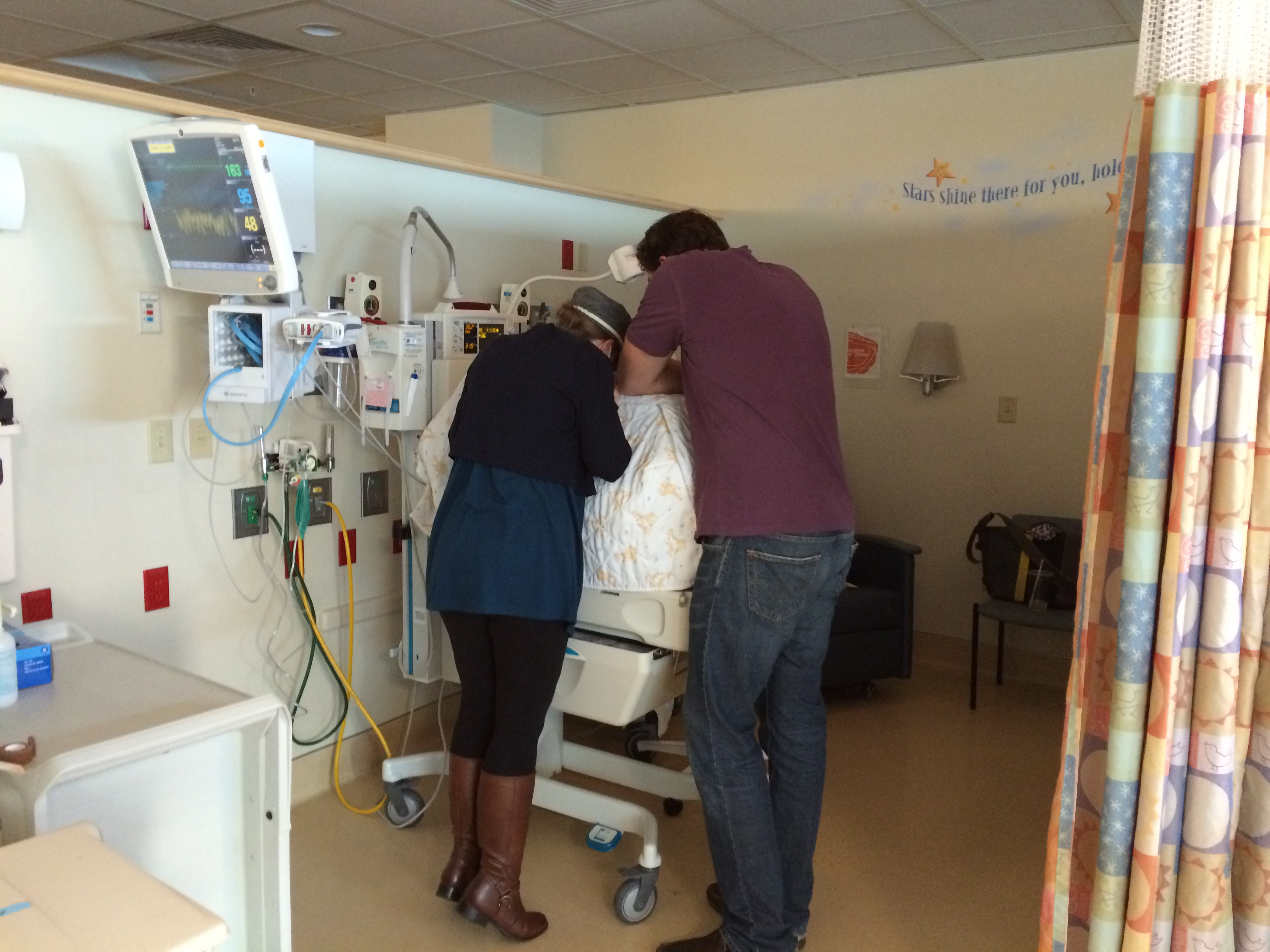
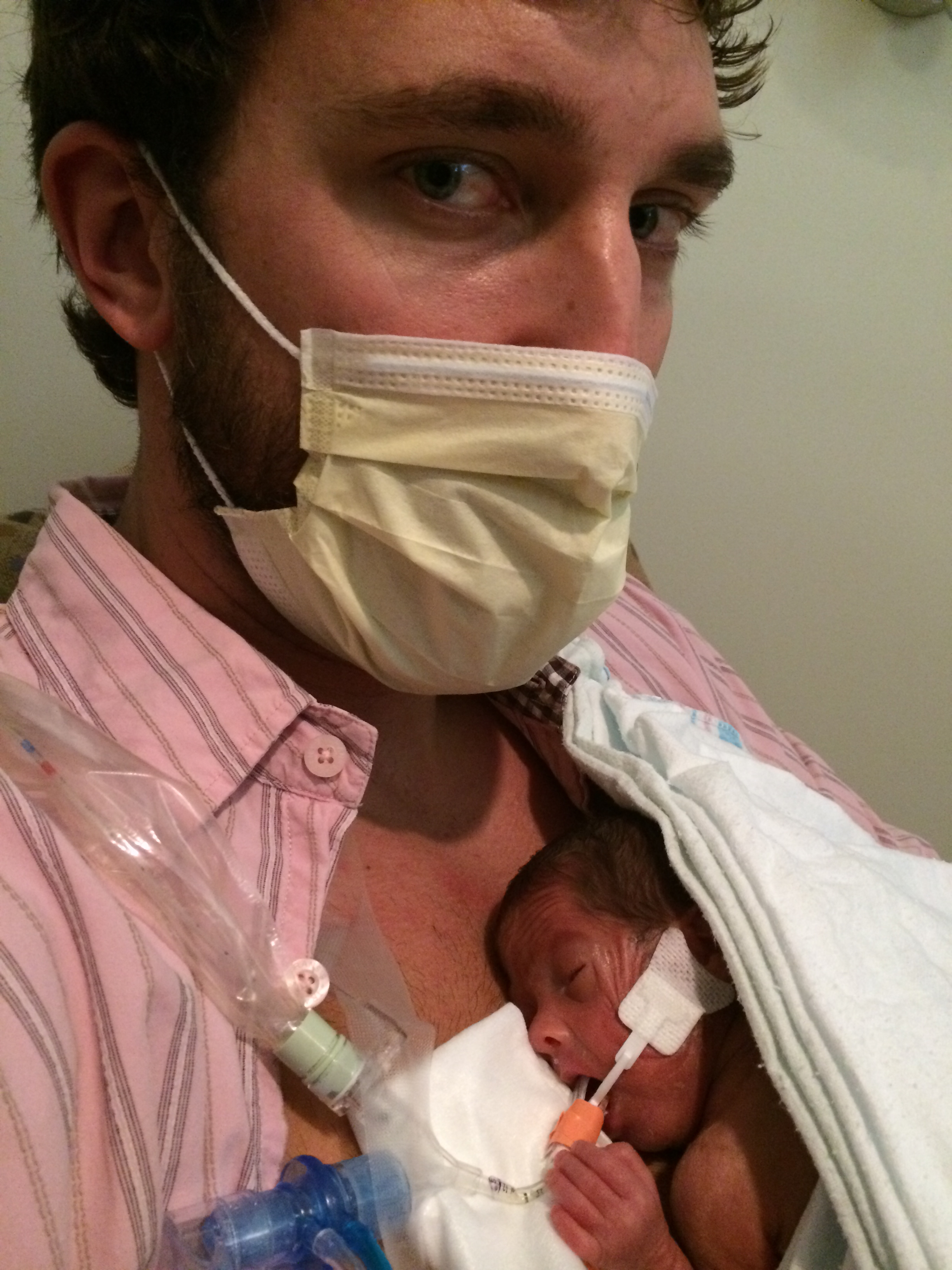
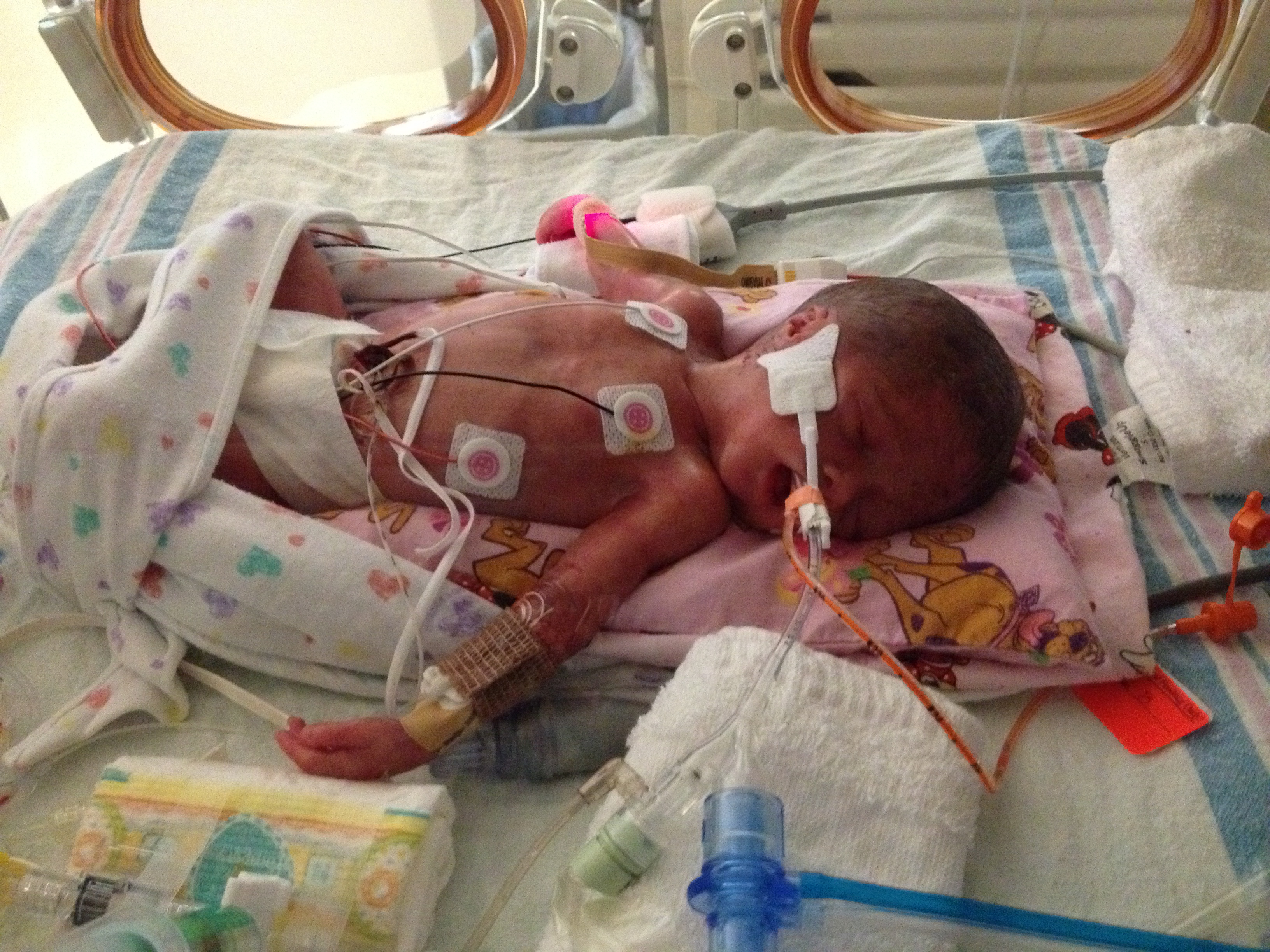
Although I didn’t realize it then, my time as a caretaker started nearly 12 years ago when my daughter was born at 26 weeks. She had, at times, a very rough NICU stay that lasted 109 days. After discharge, we were back at the hospital several times a week for appointments. That lasted months. Years later, we still had a lot of appointments, assessments, and scares. Then after teachers expressed concern, more assessments, a diagnosis of Autism Spectrum Disorder, Level 1, and new, ASD-focused, home therapy for years. Then another diagnosis, this time of ADHD, a common dance partner of ASD. Then individualized education program (IEP) meetings. Then 504 (not quite as accommodating as an IEP) meetings. Then more worry. Then back to an IEP.

All that time, much of my interests were pushed aside, as happens to any present parent, and I let worry for my daughter and her future absolutely break down hope I had for myself, belief that I would get to do anything else. I felt myself disappearing. There were fits and starts with writing, but I have gone years without it. Actually, the only thing that I have consistently practiced for the last 12 years, outside of managing the house and taking care of the kids, is running. That’s the one thing I have held fast to. I guess that’s why it became an obsession of mine, which if you don’t know, we haven’t spent much time together in the last decade. But trust me, if you stick around here for any length now, you’ll know.

Anyway, back to myself disappearing, dissolving into worry and insignificance. I started to hear a voice, my voice, and it has been urging me to make sure this part of me, the one that has always loved the written word, both reading and writing it, to make sure that part does not die like all the other parts. To save that part, that’s the end game, if you will. What will come of it? I am not sure, nor do I want to dwell on that either. I know it’s a big part of me and one worth saving, one that makes me a better person in my other roles of husband, dad, and son. But you’re still gonna get running posts and don’t forget movies. I love movies.

Moving On

As soon as I carefully took the kids artwork down, picking at the bits of scotch tape holding self-portraits to doors, and taking care not to rip the large piece of paper my son drew a pipe system on, the house felt different. Moving changed from this half-serious idea that has held space in our heads for two years to this real, tactile change involving paper cuts from handling cardboard boxes and sore backs from lifting just a little too much. 

Official-looking family portraits have come down, replaced by blank walls or a photo of a nondescript hillside most passers by would not recognize as Scotland. Old carpet has been torn up and tossed out and now the house smells like Carpet Exchange. The amount of furniture in the house has been trimmed down, making some rooms feel nice, but not lived in. 

Load by load to the storage unit—the first I have ever rented—the home becomes a house, the house becomes a structure. Yet, still there are memories being made, even today, that will forever be associated with this house, which I have called home for ten years, the longest I have lived in one place.

Open house after open house I begin to appreciate our house a little more. The painted walls, the shiplap entryway, the exposed I-beam in the basement so I could attach a pull-up bar, and the immaculate basement bathroom. All projects that we completed ourselves or hovered nearby acting like an overbearing super on a construction site while others did the work. 

The furniture we are keeping in the house has been moved, cleaned, and flipped around like Lego pieces, indeed, revealing long-lost Lego pieces, a vintage Fisher Price puzzle piece that has been missing since my son was four-years-old, and more of those Checkers pieces that I thought we had successfully rounded up. 

The last evidence of our family in the house are some of the most treasured items. No stager will get me to take them down and no storage unit is secure enough for them. It’s my daughter’s framed one-month handprint that is barely bigger than my thumb, resting on my desk. A polaroid of Kate and I taken by an old friend. Two pictures of the family on the beach in Mexico. A kid’s first hand-drawn family portrait. And a large picture of my namesake, Bryce Neff, pictured with his bombing group in the Korean War. All these items and more will find a new structure that will become a house that will, with time, become a home, and God-willing, lives lived in that home will produce an equally wide swath of life as we have seen on 5th Ave.

God-willing.

Welcome to the Pump House: Adventures in Fatherhood and Breast Milk Management

A version of this post appeared on my blog years ago when London wasn’t even a year old. But I just tweaked it a bit, slimmed it down , and added here and there. I think it’s better now. Here it is…

Never in my wildest dreams, as I prepared for fatherhood, did I think I was going to spend so much time with lactation nurses, reviewing the intricacies of hand expressing (including motions), analyzing breast milk volumes, discussing engorgement, and just how much breast milk one could fit in a chest freezer.

A few hours prior to my meeting with lactation consultants, thinking there were three more months to learn these things, I didn’t even know lactation nurses existed. I knew that some babies were born prematurely, but I didn’t know my wife’s breast milk would still come in just as early as our daughter wanted out at 26 weeks gestation.

So it was that our 109-day stay in the neonatal intensive care unit (NICU) started with a crash course in breast milk. Within those first days of life for my daughter (London), my wife (Kate) and I spoke at great length with not just one lactation nurse, but several of them about breast milk and breasts, starting with a nurse asking my wife if she was going to pump breastmilk. Partly due to the trauma of the last 24 hours, and partly due to my complete lack of knowledge about breastfeeding, I had not thought a bit about breast milk or pumping. Kate was of a similar mindset at that particular moment, but we were both satisfied to know that there was a good chance Kate’s milk would come in. The early drops of colostrum, the nutrient-dense milk first released by the mammary glands, often come in shortly after the placenta detaches from the uterine wall, no matter the gestational age.

A couple of hours later a lactation nurse wheeled into our room something that looked like a medieval torture device. They were calling it the Symphony. They hooked Kate up to it and it hummed and sucked for 18 minutes. At the end of that first session, we could just barely make out two milliliters of colostrum. A few hours later Kate produced 2.6ml and then later that night 3.8ml. The next day, January 31, marked Kate’s first 24 hours of pumping. She produced 32.6ml that day, or 1.1 ounce. The lactation team handed us a log with the direction that we were to write down when Kate pumped, for how long, and the total volume.

We then received a DVD to watch, which would apparently help Kate get more milk by hand expressing and provide tips to alleviate the pain of engorgement. We were to watch it and return it to the NICU team afterwards. That same day, we popped the DVD into my laptop to watch some before going to bed. One minute into this educational video, the biggest breast and nipple either of us had seen appeared on screen. Kate laughed so hard she began to worry she might injure herself being only two days clear of a C-section. Everything hurt. If we continued watching, we put Kate’s health at risk. I slammed the laptop shut. Tears ran down our cheeks from laughing so hard.

Who knows who is responsible for making this particular lactation video, but may I make one small suggestion on behalf of my wife and all women who have recently had C-sections? Great. Do not make the first breasts on the video also be the largest breasts known to mankind. They should not be comically large, needing 3-4 hands to get them under control. In fact, this video is a danger to new mothers everywhere, they might literally bust open their gut laughing from it, like we almost did.

Thus, it fell on me to watch the lactation video alone, gleaning from it any helpful tips and then sharing them with Kate. She was impressed. It wasn’t like Kate’s breast milk volumes needed any help. Not long after London was born, I was spending part of everyday rearranging containers of breast milk in the chest freezer in the basement—the chest freezer we needed to buy solely to store breast milk. Kate and I would joke that I knew more about hand expressing breast milk than she did so I should print up some business cards and walk around the NICU offering my services to anyone who needed them. Hand Expressions by Bryce. Simple and to the point.

By day of life 57 for our little girl, Kate was producing 1,863ml a day, or 63oz of breast milk. To put that in perspective, London was fed a total of 800ml on day 57, the most she had ever consumed in one day. In fact, it took London a long time to drink as much milk in one day as Kate got from one 20-minute pump. A point was reached where no amount of rearranging the breast milk in the freezer would make room for more. I picked up a second chest freezer at Costco and Kate started to fill that, too.

For the months London was in the NICU we rented a Symphony pump, which at the time retailed for $1500-2500, and kept it in our bedroom. We started to call it the pump house. When at home, Kate disappeared every three to four hours to spend some quality time with the Symphony. As all moms know that schedule wreaks havoc on sleep and work responsibilities, but Kate did an excellent job. I did what I could by waking with her every time throughout the night, assisting in bottling of the milk, labeling and recording volumes, washing pump parts, and then delivering milk to the freezers in the basement. So, at our house, at least two times a night, Netflix and chill was swapped out for Netflix and pump.

As Kate tapered off the pump, we were just filling up the second chest freezer and the lactation nurses understood why Kate was putting an end to pumping. She had developed a reputation in the NICU as a super producer. At London’s discharge, on May 19th, 109 days after she was born, the NICU staff wrote messages to us. One of our favorites from the lactation team wrote, “Your mom was a rock star with pumping. She could have fed three babies in the NICU!”

Next week, London will be six-months-old and I can thaw breast milk from three months back. And right now it’s lunch time for the little girl, to the chest freezer I go.

Different by London Perica

Different in ways

You wouldn’t expect

A brain full of knowledge

Built from books

Creative ways that go

Beyond what we can think of

Kindness always running

Through my body inside and out

*All words written by London, age 10.

On My 10th Father’s Day

This could be my last summer as a full-time stay-at-home dad. As much as I need and crave time away from my kids, after less than 96 hours without them, I miss them dearly. Their squeals, laughs, pitter patter of small feet, noises from the kitchen as I wonder what they’re helping themselves too. Even sometimes their cries, when the silence without them feels like a suffocating blanket of absence.

Being alone is very nice. More time to catch up on the projects you’ve been meaning to do. A lot more time to read that book catching dust wherever you last set it. And an abundance of time to binge the newest buzzy show. There is just a lot more time to busy yourself with work, entertainment, things. And you can do all of it with minimal interruptions or, if you prefer, in absolute silence.

But after a little bit, after you get a taste of all those things that you were missing and that you have now done, there’s something else. There are questions in the quiet. Is this all there is? If this was life all the time would I get sick of it? Would solitary pursuits give way to success, self-absorption, or both? Would I feel like I am missing out on something? Would I get lonely or would my spouse be enough? Would she get lonely? Even questions about my far flung end arise. Will we arrive graying and wrinkled at the end of our lives wondering what could have been? Who are we missing? Who could be by our side now as we live our last days? What being/s will we never know because we do not have a child? I feel like the what-ifs would continue stacking up and then it would be too late.

What I don’t spend time doing is wondering what I could give to the world or to society if I did not have kids. Sure, it could be something great, but would it be as awe-inspiring, humbling, and as terrifying as having created a life? No. As holding the smallest hand in the pad of your index finger? No. As head-spinning as bearing witness to how fast the early years of life fly by? No. As proud a moment when you see your child shed a bit of your imprint on them to become someone wholly new, someone independent from you, but still your heart? No. As terrifying as the moment you realize they will spend many, many years on this Earth without you and you won’t be able to rush to their side anymore at the first sound of trouble, pain, or loneliness? I mean, the sadness of that thought could be enough to drive you to never have a kid, but it’s only a thought that parents can truly understand. And, by then, it’s too late. That is the risk we take. And there are big risks, but I know the answers to the questions above. Sometimes they get a little hazy and I feel the what-ifs rush in, but then I get a few days away from all their smiles, noises, questions, innocence, and imaginative everythings and the answers crystallize again into a sharp relief against a life without them.

I know I could give nothing to the world more precious and more important than them. I know the questions in the quiet would eat me up, but I know the answers to them and, for that, I am grateful.

Happy Father’s Day.

287 On My Mind

The fall of my freshman year, 5 days after 9/11, 8 cross country athletes died on 287 when they were hit by another UW student heading in the opposite direction. The deadliest crash in the highway’s history was an enormous event and terribly sad, especially for the UW community, the cross country athletes, and their families. However, on campus and in the news it got lost in that post-9/11 daze the entire country was in. The mourning of the two events blended into each other in what was the worst September any of us alive at the time had experienced.

Highway 287 between Laramie, Wyoming and Fort Collins, Colorado holds a special place in the heart of all UW students. It’s the quickest link between the two cities, with the other option being I-80 east to Cheyenne and then I-25 south to Fort Collins, at least a full thirty minutes longer. When a UW student wants to get away quickly it’s always 287. I am not sure there is a UW student who has ever avoided driving on or being driven on the highway. 287 is a right of passage, although a very risky one, for Cowboys and Cowgirls since the highway opened.

Upon arrival at UW, students learn one way or another that 287 is one of the most dangerous roads in America. Couple that with the fact that many of the drivers on it are college students feeling free and invincible and you get reckless, distracted, daredevil-like driving. I pushed my car to 100mph several times on that road merely because there were miles of empty road ahead of me. I too loaded into a car with other swimmers and was recklessly driven on that road by a crazy Swede senior on our team. I was not aware then as I am now just how many bullets I dodged on that road.

But the highway struck again last week. This time it was the swim and dive team who suffered the greatest loss. Three athletes died when their car swerved, lost control, and rolled several times. It’s been 23 years since a deadlier accident involving student-athletes happened on that highway so I am thinking about it much differently than last time. Even though the lives lost were swimmers, I find myself dwelling again and again on the parents of those athletes receiving that news, their greatest fear. I marveled at how the UWYO Women’s Swim and Dive team competed at their conference championship last week in the middle of this tragedy. I anticipate having the same feeling this week as the Men’s Swim and Dive team start their conference championship meet today in Texas.

My heart breaks for the team and the families involved. I know they will continue to defy the odds and rise up in the face of such loss. Once a Cowboy, always a Cowboy.

My Short Basketball Diary

1989 – I am 6. I start to understand that basketball is something tall people do. Dad plays in a league in Princeton, NJ. He seems to take this more seriously than the games we play at home: hide and seek, Sorry, and checkers. The men are all taller than me and wear short shorts. There is lots of yelling, sweating, and long, hairy legs.

1994 – I play games of horse and one-on-one with dad at my elementary. The courts are small, with basketball keys five feet wide and 3-point arcs closer to the hoop than they should be. We play full court games. He takes it easy on me, but not too easy. Some of my shots still get swatted away.

1995 – My parents photograph me in the backyard wearing Shaq’s brand new Reebok Shaq Attaq shoe with the Pump. I rep Duke with a new Starter, pullover jacket. I stretch my arms out as long and as straight as possible, mimicking Jordan’s famous Wings poster by Nike.

1997 – I try out for and make a club basketball squad, but the coach doesn’t play me that much. He plays his son a lot. His son’s friends play a lot too. At the end of one game in particular, I remember Dad giving the coaches a piece of his mind. Maybe I was a little embarrassed or surprised, but I remember feeling proud. I had the most potential of any player on the team and my dad knew that. He stood up for that.

1999 – Longmont High School. Spent my junior year on the JV squad. My coach was a horrible, bitter man because he was short, among other things, and he had a temper without any basketball knowledge. After a loss he threw a shoe at a locker and dented it. A teammate had some peculiar scratches on his back and we all learned in the locker room that his girlfriend had scratched him there during sex. My jaw dropped.

1999 – The last game of the season was in Greeley. My coach decides to play me for most of the game, a welcome change. I play my heart out and make it clear to him that he doesn’t know what he is doing. It felt amazing.

2000 – I do not go out for basketball my senior year. This is when I put it together that I don’t have to play this sport. I excel at swimming and devote the year to that. I am happy to leave the politics and drama of team games. I finally feel free of the expectations to be amazing at basketball because I am tall.

2004 – I make it to the University of Wyoming as an NCAA DI athlete in the sport that was for a long time, option B, swimming. Not bad. In the off season we play pickup basketball games. What I have athletically lacked up to this point, I now finally have after three years at Wyoming, a budding confidence in my athletic ability, an attitude shifting from I can to I will. I see the potential my dad saw in 1997 when he confronted my coaches after that game. During one pickup game in particular, a swimming teammate told me after I drilled another three-pointer in his face, “You should be playing basketball for us.” Heard five years ago, I would have laughed and forgotten about it, but now I agreed with him.

2010 – I coach NCAA DI swimming in Milwaukee. In the spring I play basketball games with the men’s team. I get far too heated during one game and yell at a swimmer of mine for not playing basketball well enough. I feel awful and embarrassed. I apologize, but I can tell I hurt him.

2010 – What I realize now is that I am extremely blessed to have the talent to have potentially played a different sport at the DI level. In another life, it would be amazing to prioritize basketball and to see what happens. These swimmers of mine, although very talented in swimming, some far faster than me, likely could not say the same thing. Of course, they aren’t 6’9″, but to this day I believe what set me apart on the court during those rare basketball games throughout my life were the games against Dad. He’d play. He’d coach. He’d praise. He’d criticize. He believed in me so that I would eventually believe in myself. That’s a rare gift, rarer than reaching 6 foot 9 inches.

Going Wireless

Nowadays, everything is going wireless. We have wireless video game controllers (which I still am not used to), wireless watches that answer phone calls (not perfected yet), wireless headphones, hands-free calling, and voice-activated phones. I remember being really impressed with wireless phones in the home.

Here at the Perica household we are going to keep the trend alive.

IMG_2972_91029

We are going to have a wireless baby. It’s true. I hear it is all the rage. We are late to the trend, but we were afraid to be early adopters of this newfangled technology.

Though going wireless will give us a freedom we have never had with a newborn, it will not be without sacrifice. For example, the option of being able to pump a meal into your newborn at just the right time regardless of whether they are awake to eat is truly handy. The food just pumps right out of an IV bag on a hospital rod in your living room and it goes right into your baby’s stomach via a tube that you get to insert yourself and feed down to the stomach.

Also nice, was knowing my baby’s heart rate and oxygen saturation every second of the night by connecting more wires to the baby. If ever there was a slight hiccup, we would be notified in the middle of our sleep by a fire alarm basically.

Lastly, there was the convenience of forcing oxygen into my baby. With oxygen tanks on every floor of my house an_BKP2796d oxygen tanks in the car, in the stroller, in my backpack, I always knew the baby was getting oxygen. In the rare case my baby looked a little winded or was turning blue, all I had to do was walk over to the giant oxygen tank in my living room and let her loose up to 1/4 flow. Baby turns the right color, but falls asleep right before it is dinner time. Not to worry. This is why there is a nasogastric tube, feeding at the right time is always an option.

Now that people have been having wireless babies for many years, we feel comfortable moving onto this post-modern way of having a newborn. We are happy, blessed, and excited to welcome a wireless baby into our family in the very near future.

I Needed A Subject

As a creative, there is nothing quite as painful as being told what you’re putting out there is not very unique. When I was told this, it basically boiled down to, and I’m paraphrasing here, “People have gone through much worse…There are lots of stay-at-home parents…What you are doing isn’t special.”

These words struck me in a part of my heart that the world had not calloused over, a part that my own cynicism had not hardened. Their aim was true, but the words were not. Nevertheless, they hurt at the moment and they still hurt. They made me second guess. But they’re not going to stop me. I hope other creatives don’t let the people who don’t understand their art destroy their drive to make it.

My drive was fully realized the moment London arrived in my life, as I expressed to a dear friend in an email on March 24, 2014, nearly two months after London was born:

For a long time I’ve questioned whether I will ever write for a career, as I’ve dreamed of most of my life. Besides getting rejected from MFA programs four years ago, I’ve also had my doubts that I had anything worth writing about. Clearer than ever, I have an answer to that now. I’m not sure what form that might take, but I have a story to tell from this whole experience. This also dawned on me within the first day or two after London’s birth. And in a way, it felt like God was saying, “This is it. This is what you’ll write about.” That has rattled me, probably because it is the truth. Pure, distilled truth.

Years later, I don’t know exactly what form that might take and I recognize the story is just starting. But I hear the still, small voice…This is it. This is what you’ll write about.

Published

What seems like two years ago, I submitted a short essay to the Denver Post. To my delight, I heard back from them. They wrote that my essay was being considered for online publication as a guest commentary. A couple months passed and I hadn’t heard anything from them so I emailed the Post again. They wrote back, saying that my essay was still in the queue and I would be notified if it was published. I maintained my optimism for about one more month and then, like all writers often do, I gave up all hope. I started wearing Crocs, drinking Folgers, and bought tighty whities in bulk at Costco.

Skip ahead to 2017 and I am half-heartedly looking for writing gigs when I do a quick self Google. I was curious if any of my writing was available on the web still. One of the top results was a Denver Post page titled, “Guest Commentary: Tiny hands change everything.” I clicked on the link. I confirmed that it was my work and noted the date. July 17, 2015. UPDATED April 24, 2016.

The photo with the commentary is of an adult hand, one finger of which is grasped by a tiny baby. This is not a photo of hands I know. I could have provided a better photo if they had told me I was going to be published.

Like this one…

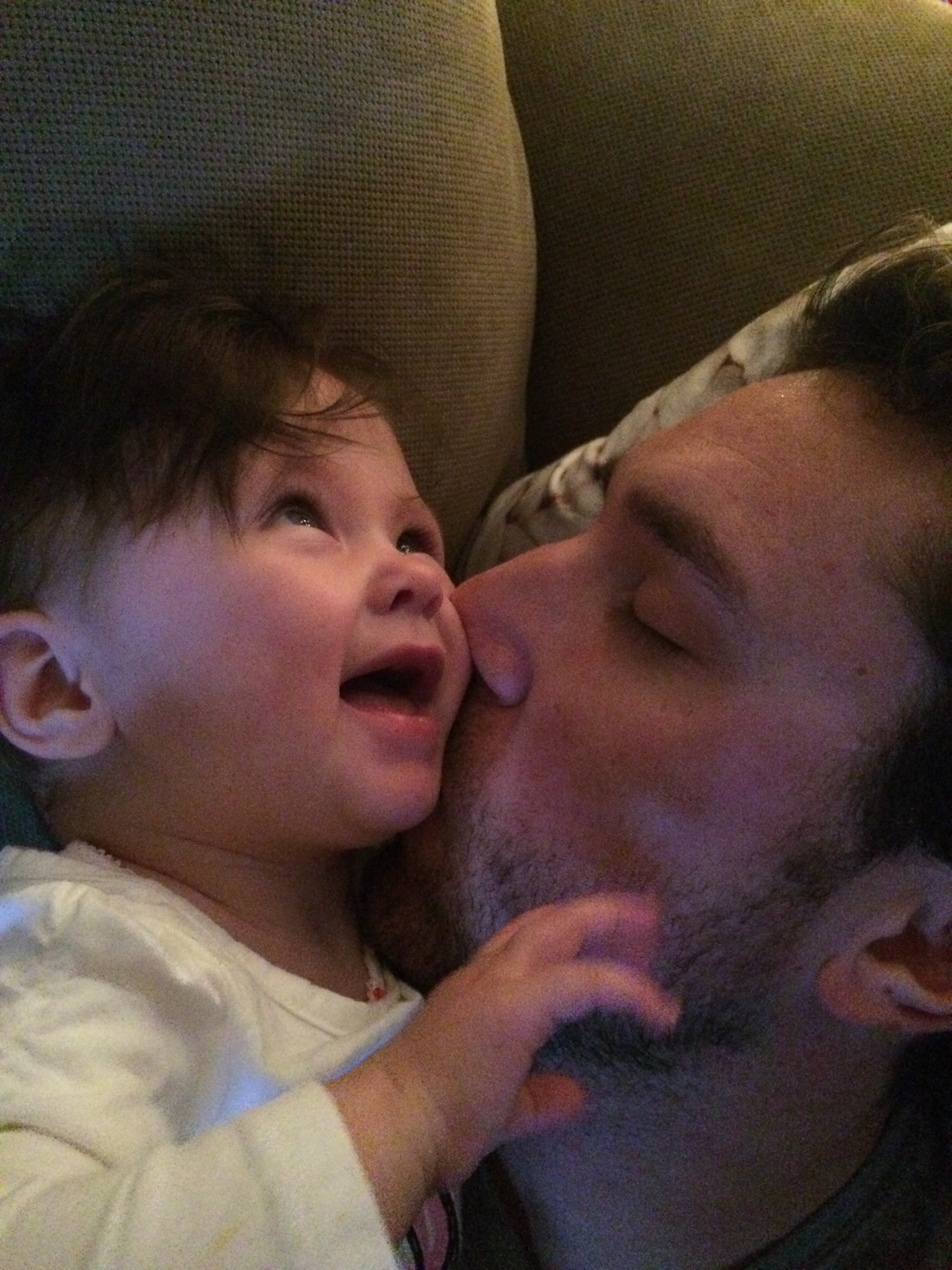
IMG_2923

And then I read the words. Thoughtful, touching, but flawed. Like nearly everything I write, I only thought it was decent or, at best, good, at the time I wrote it. Now, almost two years later, it strikes me as insufficient, short, even a little cheesy. I would have been happier to link to it back in July of 2015. Linking to it now is anticlimactic. It feels like I am sharing a draft with you. Nonetheless, for it to appear on the Denver Post‘s website and for me to not share that on this blog does not feel right. Here is the article.

Have a great weekend.


At 3

I look at London and whisper, “You weren’t supposed to be three yet.” It is just like last year when I whispered to her, “You weren’t supposed to be two yet.” And the year before that when at 1 she was 9 months old to me.

We were robbed. At least that’s how it felt for a long time after London arrived. Robbed of that anticipation. Robbed of what this pregnancy thing was supposed to be like, especially for Kate. I have written about it before.

But as time has passed, healing has come. More and more I think of London’s premature birth at 26 weeks not as robbery, but as getting to receive the greatest gift I will ever receive three months early.

Though her birth and the following three and a half months in the hospital have left Kate and I with scars and, at times, profound distress, the experience is slowly shaping into a larger blessing as we watch London meet and exceed our expectations and the expectations of every healthcare professional she has seen over these three years.

London is less and less defined by the story of her birth, but for her mom and I, as we move further and further from that night, we are made more aware of how that night has shaped us into the parents, friends, and professionals we are today. We are aware that the passage of time will not completely fade that night in the minds of others, but throws it into sharp relief for us.

Prayers & the People

While London was in the NICU, I listened to Coldplay’s Ghost Stories religiously. I spent a lot of time meditating on one refrain in a particular song called “Magic.” The lyrics read:

And if you were to ask me
After all that we’ve been through
“Still believe in magic?”
Well yes, I do
Oh yes, I do
Oh yes, I do
Oh yes, I do
Of course I do

Although when I thought about the lyrics, I would replace the word “magic” with the word “prayer.” And I would ask myself over and over again, “Still believe in prayer?” With all my heart I wanted to answer with an earnest, “Yes,” and for a while I did not have an answer.

Why couldn’t I find that earnest “Yes”? I thought about that every day while London was in the hospital and nearly every day since. After all that thinking, I am able to point to a number of reasons.

I have written on here before that not all NICU stories have happy endings. It may come as no surprise, but while we were in the NICU we were witnesses to some sad stories. Within two weeks of London’s birth, the baby in the next pod over died. I remember hearing some of the father’s last words to his daughter and then needing to step behind our curtain because I couldn’t hold back tears.

IMG_3084

Praying over London. What else?

Throughout London’s NICU experience we had a tremendous number of people praying for her. We were praying for her. And when we would receive good news concerning London’s health, people would be quick to thank Jesus.

I know there were people praying for that baby next-door. But when she died, I don’t know if people were talking about how much they prayed for her. When prayers are answered, people are quick to heap praise on God, but all too often God doesn’t enter the conversation when prayers aren’t answered. There is just a deep sense of loss (in the case mentioned above, loss of a child) and betrayal.

It is the absence of God in conversation following something like a loss of a child, whose survival was clearly being prayed for, that really grates across my soul. And as I let it grate more and more on me, doubt about the fate of my own child crept into my thoughts. Doubt about the ability of prayer to reduce swelling in London’s brain. Doubt about the ability of prayer to make one medication work better than the next. Doubt about the ability of prayer to make London’s lungs flourish.

Yet, I prayed, even though what I had seen in the NICU was doing its best to give me a cynical attitude toward God’s ability to give my daughter a fighting chance. But as I stood next to Kate and watched London seize up, turn blue from head to toe, and watched a team of doctors rush over to her bedside, prayer was the only thing I could hold onto despite clinging to Kate. I desperately prayed over and over, “Don’t let my daughter die.”

Again and again, I was exposed to suffering. Much of the time it was parental suffering, the kind you would expect parents to go through when their baby weighs two pounds. And, at times, it was the raw exposure to parents suffering the death of a newborn, as mentioned above.

In a new way, I was becoming aware of the fragility of my own faith. I had reached the bottom of my soul and I had expected to bounce back and come out better than ever, but I had gone crashing through it, revealing new limits to understanding and faith. This surprised me because I had not lost anyone. Many people endure far worse before they reach the point I reached. However we get there though, we often discover the same thing:

…Suffering gives people a more accurate sense of their own limitations, what they can control and cannot control. When people are thrust down into these deeper zones, they are forced to confront the fact they can’t determine what goes on there.

Lack of control. I had felt it before in my life, but not to this degree so it was easy to say, well, if I don’t have control, and the nurses don’t have control, and the doctors with all their tricks and knowledge don’t have control, then nothing can have control over this.

But doubt is a two-way street. As I doubted in prayer’s ability to heal every last weak and broken thing in my daughter’s body, I also doubted my newfound doubt. I didn’t know for sure that prayer didn’t work. I have prayed all my life for all sorts of things. Some prayers were answered. Some were not. A voice in my head kept saying, why stop now? Because I was afraid, afraid of not having this prayer answered exactly the way I wanted it to be answered. That felt really selfish. It is selfish. But I had prayed this long, I wasn’t going to stop when it came to praying for my daughter’s health.

I guess what tragedy does to you, or, in our case, what a really long stay in the NICU can do to you, is to remind you, just in case you have forgotten, that you are not in control. You never were, despite how good things were going for you. And, you never will be. I felt like this left me with two options. One, surrender to God and put my faith in him because I have discovered how little control (read none) all of us have. Or two, abandon the idea of a God who hears our prayers and can intervene to answer them.

Days, weeks, months, and eventually a year passed, during which God eliminated option two. I had just kept praying. I would often express to God that I really don’t know if you (God) can help with this, because there are many more people in this world that need more help than my daughter does, but somewhere along the way, can you do this one thing for my daughter? Again and again, the answer has been yes. I don’t know why, exactly, my prayers have been answered while the prayers of others had clearly not been. That’s part of the mystery. Part of the faith. I don’t have the answers. But for me, one answer had changed.

It was over a year after London came home from the hospital when I was again listening to Coldplay’s “Magic” and thinking about it all–faith, mysterious, confusing faith, love, my daughter, who I know is a miracle, and my little family–when I finally could sing the end of the song and mean it.
After all that we’ve been through
“Still believe in prayer?”
Well yes, I do
Oh yes, I do
Oh yes, I do
Oh yes, I do
Of course I do

*Block quote about suffering is from David Brooks’ column in the NY Times, “What Suffering Does.”

Emails and Poetry

I rely on my parents to send me inspirational emails every so often. Yesterday, on my 33rd birthday, I received such an email. My mom encouraged me to go to a blog she regularly reads, to read a specific poem, and to listen to a hymn.

The blog is Barnstorming.

The poem found in this post is “Sure On This Shining Night” by James Agee

Sure on this shining night
Of star made shadows round,
Kindness must watch for me
This side the ground. 
The late year lies down the north.
All is healed, all is health.
High summer holds the earth. 
Hearts all whole.
Sure on this shining night I weep for wonder wand’ring far alone
Of shadows on the stars.

How to Help a NICU Parent

A friend recently asked me for some advice. She knows someone who just IMG_3089_127883had a preemie at or around 26 weeks gestation and wanted to know how she could help them out, what to say, what not to say, etc. She gave me permission to post my response to her. It follows:

I am happy to share my advice. Some of it will be based on the assumption that you are in the same town as your brother and Erin and their new daughter, Harper.

Well, having a kid in the NICU is the most exhausting thing Kate and I have ever been through. Very important question: is this their first kid? If not, well, it’ll be even more exhausting than our journey. Anyway, exhausting, so the last thing I ever wanted to do when getting home from the hospital every day was cook. It’s sort of become a cliche, but cooking for them would probably be a huge help. I don’t think Kate and I went to the grocery store for 3 weeks after London was born. Without all the meals we received, we couldn’t give London as much attention as we did. We had one less thing to worry about and that was huge because having a 26-weeker is an all-consuming worry.

The first few days of NICU care are possibly the worst. Once the baby makes it a week, things can start to get a little easier. So now could be the most terrifying of days for your brother and his wife. It all sort of depends on Harper’s situation. Was this an emergency c-section? Did they have 24 hour notice so they could get some steroids to Harper before she was born? London did not have the benefit of steroids before she was born, which really set her back for some time. She was on the ventilator for nearly three weeks, if I’m remembering correctly. I’m not sure what I’m getting at here, but maybe it’s just that I know I was very open about London’s health and situation throughout her NICU stay. I sent out near-daily email updates to a large group of people. I would have never been able to tell all those people independently. So if your brother is open to the idea, I’d recommend that. Or if someone in the family wants to keep other family members and friends dialed into the situation by doing email updates then that would be a big help too.

I’ve completely forgot to mention that it’s so great they named her. I know that naming her is a commitment of the heart and soul that you resist when you see such a small and fragile human being. But it’s a big step and it might bring them some hope. I remember when London was just ten minutes old and being transferred from the OR to the NICU while Kate was still on the operating table, the doctor asked me what her name was, and I was just put on the spot and had to say it loudly enough that everyone in the OR could hear it. I didn’t know it then, but in hindsight, that was a pivotal moment of accepting as truth something I still couldn’t believe was happening.

In terms of what not to say, that’s always tough to answer. You know? It depends on the person’s tolerance of the cliche, like, “Everything’s going to be alright.” We heard that a few times and I may have even said it later on in London’s NICU stay, like in month 2 and 3, but I did not like hearing it in the first few days or couple of weeks even. I just wanted to know the specifics of London’s situation and all I wanted to share were the specifics. I didn’t want to speculate with family members and friends. I just tried to avoid the “what ifs”, so maybe help them do that.

I’ll stop writing after this next point. At three months early, Harper is going to be in the NICU for a long time. It’s important for your brother and Erin to get time away from the NICU. That won’t be right now, obviously, but later on it will be. As a NICU parent you feel the urge to be at the NICU as much as possible, but it is essential to get away from time to time. We wanted our health and our sanity while London was in the hospital and I think we may have lost both if we stayed there round the clock for the first month. Our NICU nurses were exceptional in that they all encouraged us to take breaks from being at London’s bedside. Clearly, we still went to the hospital every day for 109 days, but the time away from the hospital was almost as important as the time there. We needed a chance at rest and revival before facing the NICU’s minute by minute ups and downs. So, when it’s time, encourage your brother and Erin to get away, even if it takes you spending some hours by Harper’s side. Perhaps they will be uncomfortable with it at first, but they will appreciate it.

How’s that for a disjointed email? I mean, there are so many things that come to mind. Please, let me know if you have other questions. Sorry they are going through this. I hope Harper is doing well.

*All names in this post have been changed. 

Pictures of Christmas Past

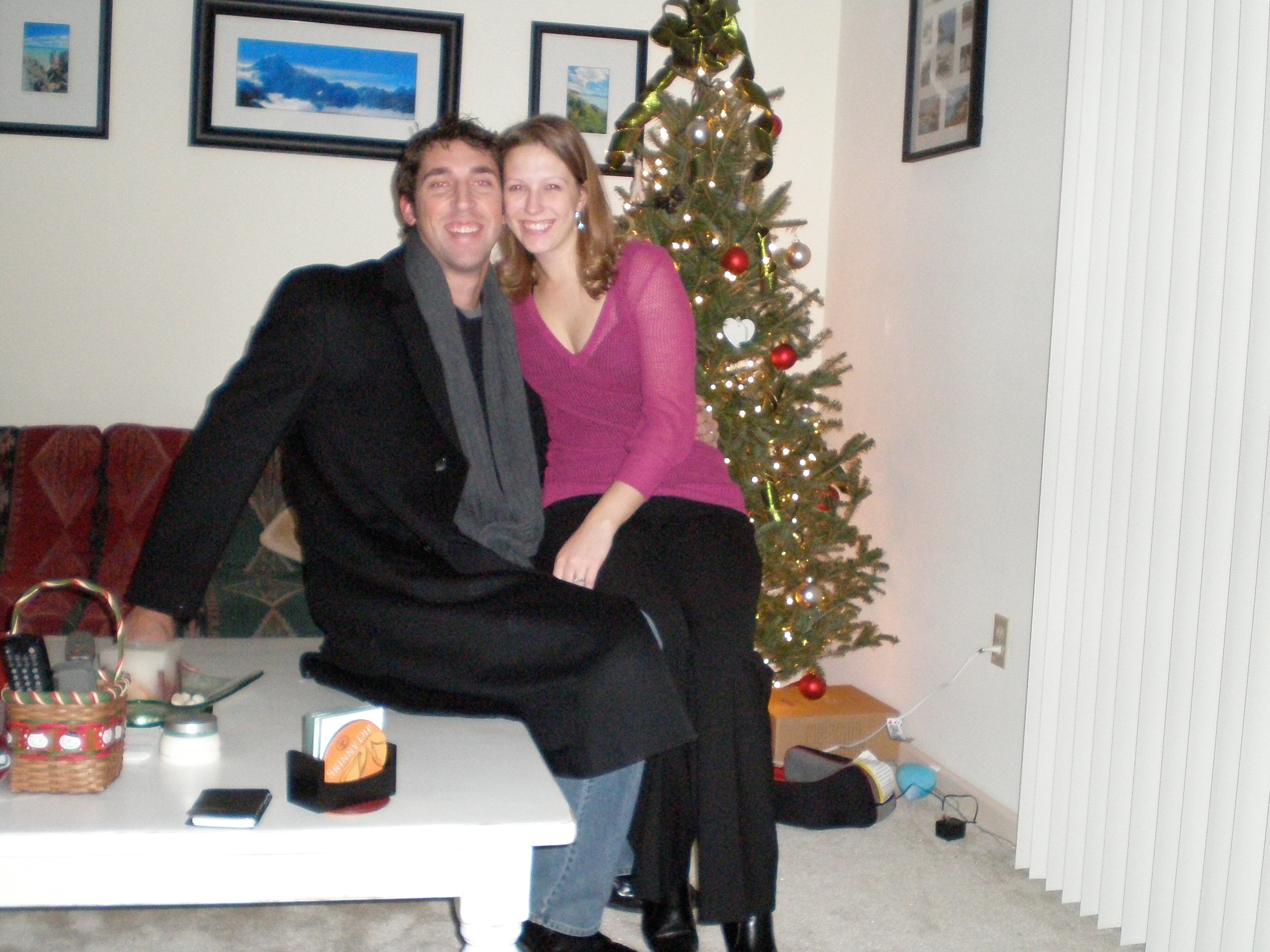
Today, I decided to take a look back at Christmas photos since Kate and I were married in 2007, and after looking through them all I had to pick out a few to share on the blog. It’s amazing what can happen over the span of just nine Christmas holidays together as a married couple. I’m feeling very grateful for all the great people we have been able to celebrate Christmas with over the years and in all the beautiful places those celebrations have happened in.

2007

Just a couple of spring chickens here. 24-years-old. In Milwaukee for our first Christmas. Kate’s family drove out from Wyoming to join us. Very memorable. It was MKE’s snowiest winter ever recorded. Thanks for that welcome, Wisconsin.

2008

At the end of 2008, a very tumultuous year politically-speaking, I laid out a year of Newsweeks on the floor of our apartment and stood on top of our coffee table and took several pictures of them. My camera was actually on the fritz this year, so I don’t have that many in focus pictures, this one among them, but I still enjoy these photos, even though Palin can be seen off to the right.

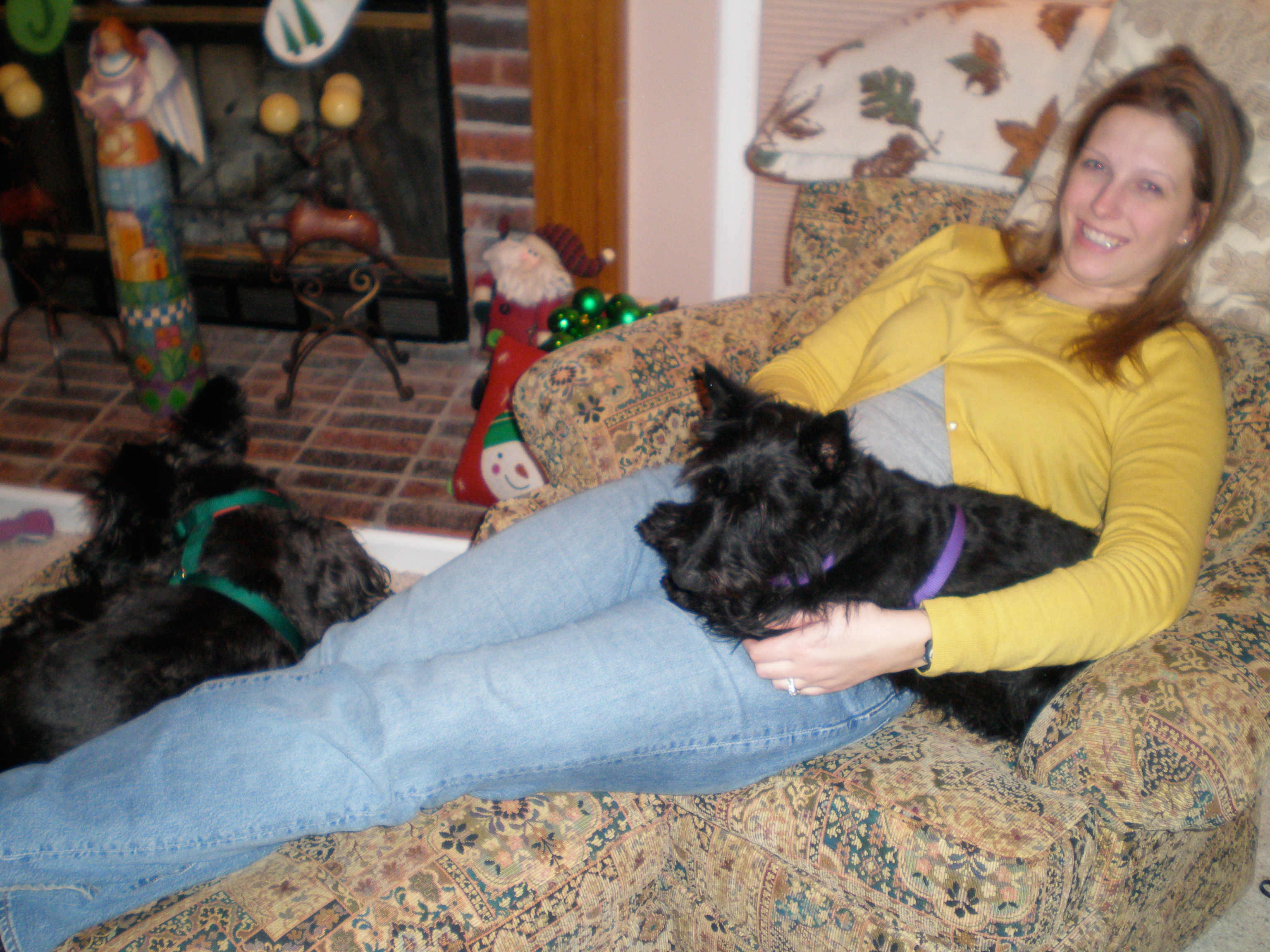
Again in 2008, the Bradleys drove all the way from Wyoming (with the dogs) to have Christmas in Wisconsin. Here, Kate cuddles up with Molly and Max.

2009

IMG_2009

Christmas in Farmington, NM. However, this picture was taken in Durango the day we flew back to Milwaukee. This was my parents’ first Christmas in New Mexico. It was very special to be with them for that, as it had been an especially hard couple of years for them with unforeseeable and massive changes in their lives. Missionaries.

2010

BKP_0331

The first Colorado Christmas as a married couple. Here, we have some of Kate’s family celebrating the New Year at our high-rise apartment in Denver. Kate and I were actually alone on Christmas Day this year. We went for a walk at Wash Park because it was 60 degrees out. The day before we drove up to RMNP because we could.

2011

BKP_3912

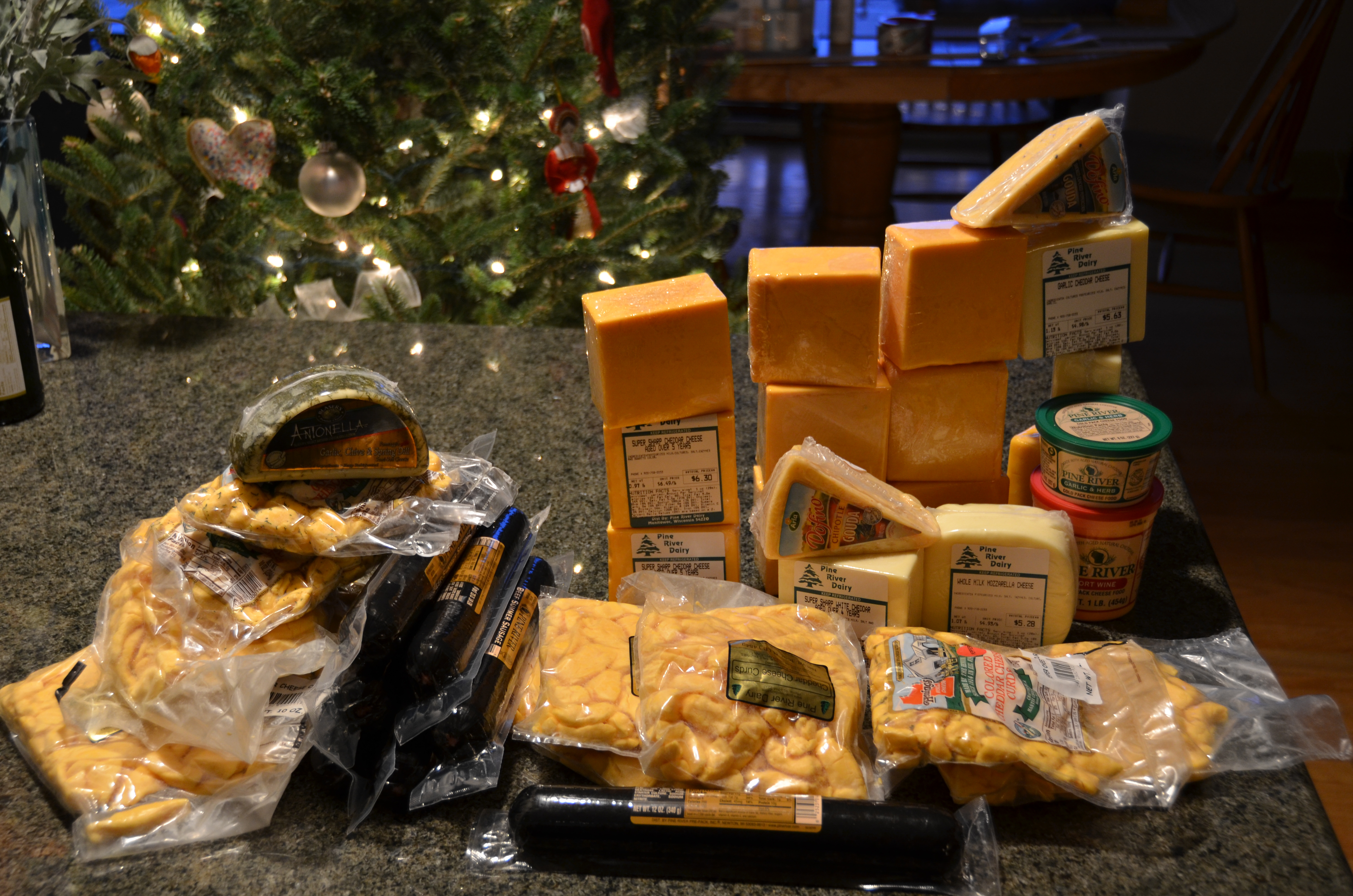
All I can say is, it must have been a very good year because we ordered 25 lbs of Wisconsin cheese to be shipped to our Colorado address. ‘Twas a bit excessive, but we loved every bite and we gave away at least 10 lbs of it.

BKP_4147

I am incredibly blessed to have spent many Christmases with my grandparents as well. This Christmas dinner I was in charge of cooking the prime rib. I followed my mother-in-law’s standby recipe and things went perfectly. But then I goofed up and made a rum cake with Bacardi 151. It came out a little stronger than normal. Instead of a nice hint of rum taste with your cake, rum taste was all you got.

2012

BKP_9157

Kate’s family in town for this Christmas. This was also the only time I’ll sit in Row 1 for a Denver Broncos game. ‘Twas sweet.

BKP_9217

Per the usual, at a Bradley Christmas there were so many appetizers that I was left asking myself and others, “Why are we cooking dinner?”

2013

IMG_2742_91778

Back in Farmington, NM we were for Christmas 2013. It had been a very long time since my dad and I had been photographed right after a Christmas Eve service so we took care of that and what a sweet picture it is.

IMG_1662_137859

This is such a unique Christmas in my mind. We had just bought our first house. I had still somewhat recently graduated from DU and was looking for work in Denver. And we thought our first baby was five months away. London arrived just one month after this photo was taken.

2014

IMG_5401

For 2014, Kate’s family was in Denver again. We exchanged gifts. I got some great stuff, but the only thing I needed was London by our side, healthy, and off oxygen. That is exactly what we got and it was the best gift I have ever received.

IMG_5492

My beauties on Christmas morning.

What Lies Beneath

London had just peed out her diaper. I thought it was odd since London had not peed out of her diaper in months. It could have just been that whoever changed her diaper last did not get a good seal.

I couldn’t quite believe it so I dabbed my hand on the big wet spot on London’s right pant leg. This was not some ordinary pee. This was some extremely sour-smelling stuff. As I brought my hand to my nose I finally realized it wasn’t pee.

Let me back up thirty minutes. We were all finishing dinner when London tooted. And by tooted, I mean it lasted five whole seconds. Then a few seconds later, another long toot. A few seconds after that, one more small blast. Kate and I looked at each other and sort of laughed, but London’s toot was not too extraordinary. She had done this before, but it had been a very long time.

We moved into the kitchen. Tonight, we kept London in the high chair as we cleaned the dishes. She kept snacking some, but seemed particularly moody so we decided to get her out of her high chair. And now, we are all caught up to the moment when it dawned on us that London, for only the second time since we brought her home from the NICU, had a poop blowout.

Luckily, we could tag team this. Kate grabbed some plastic bags. I carried London a good two feet out in front of me as we went upstairs to the bathroom. Once there we did a cursory examination of what was in front of us, deciding on how we were going to approach this horribly smelly and pasty mess.

To our benefit, London was wearing a onesie, which she just barely fit in, one that we weren’t particularly attached to. Scissors it is, but first we had to peel her pants off. As we did so little pieces of poo fell to the tiled floor. I could feel the extra weight of the pants as I moved them aside.

Once I returned to the bathroom with scissors, I held London and Kate cut down the back of the onesie and it fell to the ground inside the plastic bag London was standing on. Next, the diaper. A new bag for London to stand on. We just loosened the velcro-like straps of the diaper and let it fall off London. Pushing that mess aside, I grabbed the bathmat for London to lay on while Kate cleaned London up a little bit. She was not nearly clean enough to sit in a tub.

Kate asked, “What about the pants?”

“Oh, I’ll clean out what’s in there and I think they’ll be fine.” I picked them up, started to turn the oozy side inside out and immediately gave up. “They’re done for,” I said, as I plopped them into the plastic bag with London’s onesie.

Kate got to giving London a bath. I thought I’d check out the high chair because I knew it was going to be messy. I had seen some remnants in the seat before we went upstairs, but I didn’t really know how bad it was. First, I attacked it with bleach wipes, a lot of them. It looked good to me after that. Hold on, what’s beneath on the reverse side of the high chair cushion? Well, it was a brown stain bleeding out from the hole in the cushion, which part of the buckle slips through.

IMG_7840

Breakfast cereal, quesadilla, and a little bit of everything else.

I took the cushion off, flipped it over, and hit it with some more bleach wipes. The tag of the cushion read, “Do Not Wash. Hand Clean Only.” Throwing it in the washer seemed necessary at this point. Costco bleach wipes can only do so much. I scrubbed and scrubbed, but that sour smell was still there.

London was out of the tub by now and getting dressed, so I took the cushion upstairs, filled the tub with scalding water, and put in enough laundry detergent for several loads. I threw the cushion in the tub and made sure it was waterlogged before I left it there.

Back downstairs there was one last mess to clean up. I hadn’t fully cleaned London’s high chair in months so when I took the cushion off I discovered a pretty thick strip of food. I saw fossilized quesadilla, Crispix, Cheerios, and other food ground down to unrecognizable particles. I was going to vacuum it, but Kate told me to just dump it in the backyard. I lifted the chair up and out the backdoor and flipped it upside down once I was over the grass. Success. No vacuuming necessary and the lawn got fertilized with breakfast cereal.

The high chair cushion took two days to dry out in the backyard, but now London’s high chair is as clean as it was when we first got it. And, we only lost a onesie and some pants.

Pictures of Preemies

IMG_2913_89408

London. 8 Hours Old.

A Canadian photographer and father to two preemies, Red Méthot, has a popular project in which he photographs preemies holding their own baby pictures. I first saw this on Facebook and thought I should share it here. Follow this link to the Unworthy post.

This link leads to Red’s Facebook page, where you can view all of his photos in this project.

Particularly of note for me, were the two preemies photographed who are still on oxygen as toddlers. One of them was born at 23 weeks and the other at 26 weeks. Both boys. Kate and I are tremendously blessed that London, born at 26 weeks, is now 21 months old and approaching her one year anniversary of being free of oxygen support. Here’s hoping the two boys pictured with oxygen can lose that cannula for good sometime soon!

Becoming a Playground Aficionado

London has discovered playgrounds. The closest one is just up the street. We went IMG_7500there months ago. I have the exact date written down somewhere, but since then, we have had to expand our known playground universe. Throughout the process, London has seemed to enjoy every playground we have been to, but I quickly developed preferences and discovered things about playgrounds that are quite different since I was last climbing around one.

And, of course, some things about playgrounds are still the same. For example, I am still too big for them just like I was too big for them when I was 12.

IMG_7504But the differences are many. Sand is often isolated to a small area of the playground or simply nonexistent. As a parent, I absolutely love this. London would probably prefer more sand, but she has tried to eat it and it has the potential to get places I’d rather not find sand in later in the day. Thus, I love it.

However, the common sand replacement is wood chips. In my opinion, better than sand, but not the best surface. There is a potential for slivers and, apparently, spiders. Spiders like wood chips. London likes the wood chips. Like sand, she has tasted them, but it is loads easier to get wood chips out of a baby’s mouth than sand.

So far, my preferred playground surface almost looks like concrete, but it’s soft and coated in rubber. It’s springy enough to ease a fall, but firm enough to support easy walking and running.

I think it is safe to say that London and I prefer Kompan playgrounds. They build some really sweet playgrounds. They aren’t the playgrounds of my late elementary years, which were starting to be too safe as our society became more litigious. Kompan playgrounds seem to have taken steps back from that fun-sapping trend. So far, our time on Kompan playgrounds has been plenty safe, but I love that they incorporate a lot of ropes and tall playground equipment. I love the potential for injury and risk, even if I still don’t fit well on most of their contraptions. That’s okay! London fits just fine and  every week we are trying out new playgrounds across Denver and finding out that our favorites consistently have Kompan printed all over the playground, a welcome site for this playground duo.

The Onion: ‘No Way To Prevent This,’ Says Only Nation Where This Regularly Happens

In the aftermath of another mass shooting all The Onion had to do was change the location names in a previously published article and republish it. Voila! In case you missed it, here it is: ‘No Way To Prevent This,’ Says Only Nation Where This Regularly Happens.

I’m also posting links to a few other important articles and then one great video from Jon Oliver.

“It’s not about mental illness: The big lie that always follows mass shootings by white males.” From Salon.

And this wonderful post by a gun-owning Australian who writes about a conversation on a bus with a Southerner:

I explained how Australian gun laws worked and how they had changed in recent years. No semi-automatic rifles unless you were the primary landholder in a rural area. All assault style weapons outlawed. No handguns unless you were a member of a gun club and went through a rigorous screening process.

“Gee,” he said, “I wish we had that. But this country is too far gone. The guy robbing my house has a colt .45 and so I need me a colt .45. If he’s got a pump, I need a semi-auto 12 gauge.”

Read the rest here.

And the always fun comparison of deaths from gun violence versus deaths from terrorism.

And last, watch Jon Oliver go off on those who use every mass shooting event as an opportunity to talk about mental health like they care about it and then do absolutely nothing.

This is mostly a blog about my journey as a father and a husband. Sharing my stance on gun control is absolutely relevant to my original intentions when creating this blog. Thus, you might see more about gun control on here in the future.

Buy Me A Beer

No one knows what it is like to be a stay-at-home parent unless they have
done it themselves.

Maybe you watched your kids for a long weekend so your spouse could get a break. Maybe you watched your kids for a week while your spouse was away. Maybe you actually used all your paternity or maternity leave after your child was born. These are all great things to do. Necessary, in my view.

IMG_1018_43927But doing all of those stints with your kid doesn’t give you enough experience to know what being a stay-at-home parent (SAHP) is like.

There is an end you can see in all three scenarios mentioned above. Of course,  for SAHDs or SAHMs, there is also an end, but well beyond the horizon and out of sight. As a SAHD, I’m not yearning for the end of this job, but until you grasp the permanence of staying at home, you haven’t gotten a taste for the real thing.

And then you must prepare yourself because that’s the tip of the iceberg. There are so many challenging aspects of stay-at-home parenting. I have mentioned some of them in previous posts: limited adult-to-adult communication, a decent dose of isolation, the fact that you’re not making money, and facing the stigma associated with being a SAHD, which is certainly one thing SAHDs have to deal with a little more than SAHMs.

So why am I writing about this? Well, it’s long overdue. I have talked to too many people since becoming a SAHD who have never been a SAHD or SAHM themselves who imply that they know what it is like. Yet, we don’t do this in conversations with other professionals (and yes, I’m implying that I’m a professional and, once again, if you don’t get that, you’ve never been a stay-at-home parent) like doctors, accountants, or teachers. We don’t assume to know what daily challenges they face because we once used an epipen, did our own taxes using TurboTax, or completed a math problem on a chalkboard for an audience, respectively. So why do so many people assume they know the day-to-day ups and downs of SAHDs and SAHMs because they spend the weekend around their kids?

Because they assume it is easy. They assume it just must be like the weekend over and over again. How hard can that be?

I think the real problem is that being a stay-at-home parent is not viewed and talked about as a real job by enough people. Too many people talk about it as a hobby. I cannot tell you how far from the truth calling this a hobby is. Hopefully, I’ve conveyed that from time to time on this blog.

Next time you find yourself talking to a SAHP, treat them like a professional, understand that they work 80 hours a week, and buy them a beer because they don’t have a paycheck.