Surviving at 22 Weeks

“Do you want us to save your baby?”

_BKP2261

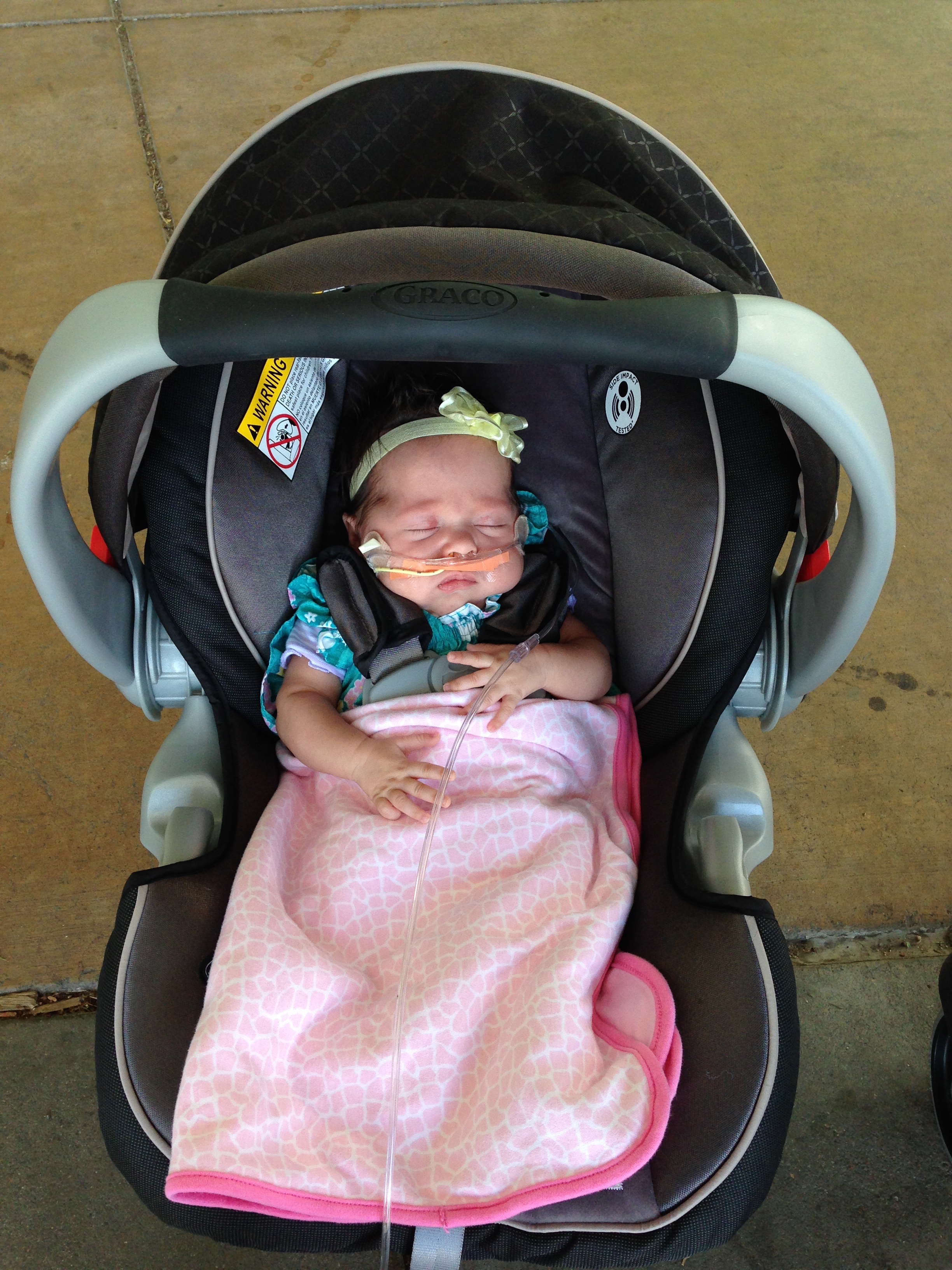
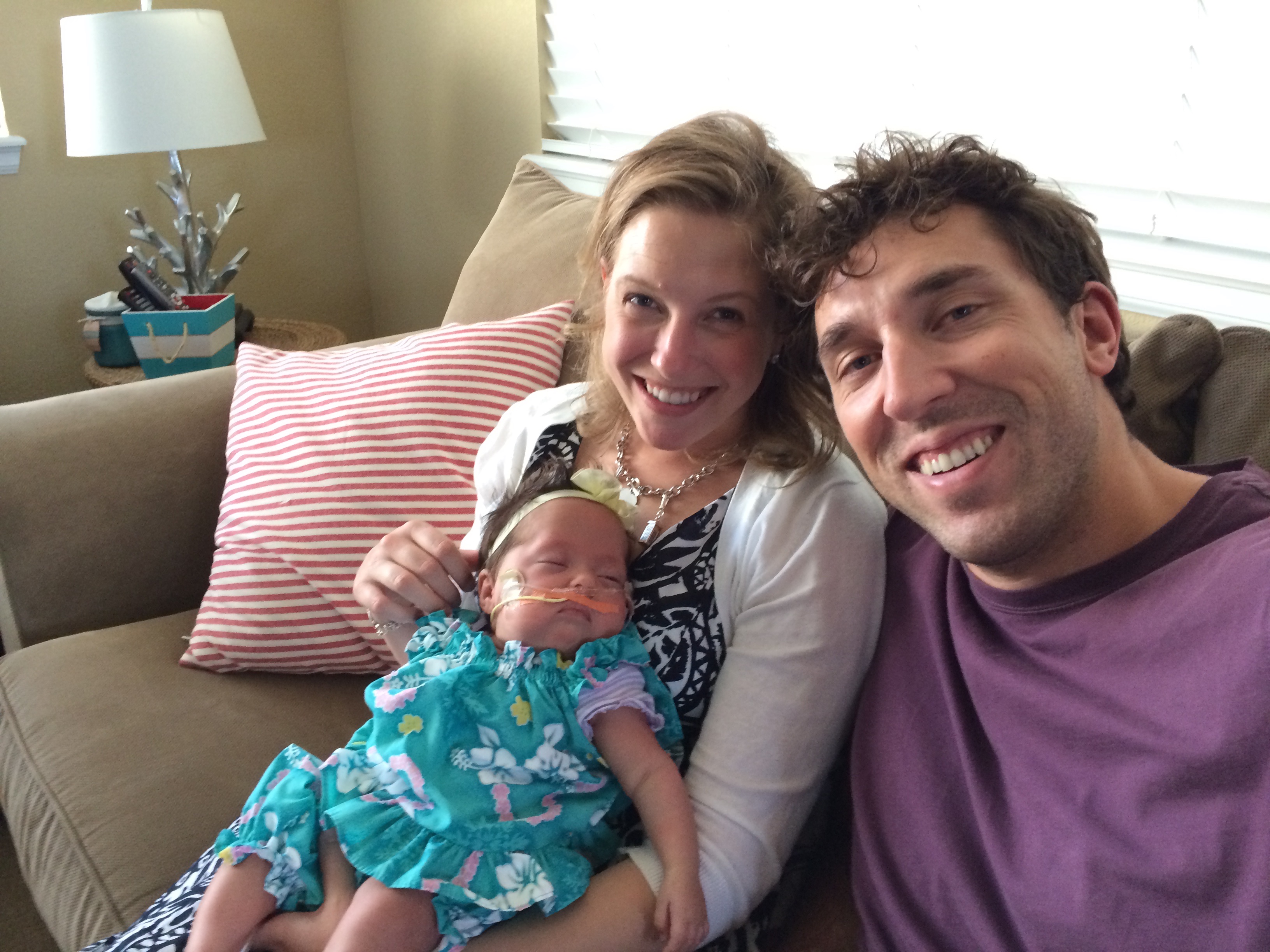
London at one-day old.

That’s a question you may have to answer if your baby is born earlier than 24 weeks, the current gestational age of viability. In fact, you may not get that question at all. Quite a few NICUs do not have the means to even attempt to save a 22 weeker. And, from the sound of an article I read in the NY Times yesterday, some doctors will not try to save a 22 weeker if they aren’t breathing on their own. And the chances of such a preemie breathing on their own, if the mother didn’t receive corticosteroids, is extremely slim, if it’s possible at all.

Yet, there are some 22 weekers who have made it, as detailed in a recent study, from The New England Journal of Medicine, mentioned in the aforementioned article.

The study, one of the largest and most systematic examinations of care for very premature infants, found that hospitals with sophisticated neonatal units varied widely in their approach to 22-week-olds, ranging from a few that offer no active medical treatment to a handful that assertively treat most cases with measures like ventilation, intubation and surfactant to improve the functioning of babies’ lungs.

The study involved very premature babies, those born at 22-27 weeks. Among the 22 weekers, there were 78 cases:

18 survived, and by the time they were young toddlers, seven of those did not have moderate or severe impairments. Six had serious problems such as blindnessdeafness or severe cerebral palsy.

7 out of 78. So at 22 weeks, there’s less than a 10% chance of surviving without any severe, lasting impairments. Survival rate at 23 weeks was about 33%.

The article detailed the varying strategies used by hospitals around the country. Some hospitals are very ambitious and with the parental approval, go after all 22 weekers. But, understandably, some hospitals stick to the 24 week line as the viability tipping point. A doctor describes his hospital’s strategy this way:

At his hospital, “we go after the 24-weekers,” he said. “If it’s 23, we will talk to the family and explain to them that for us it’s an unknown pathway. At 22 weeks, in my opinion, the outcomes are so dismal that I don’t recommend any interventions.”

At 22 and 23 weeks, I am glad that parents are asked the question I opened this blog post with. After having experienced the emergency delivery of my daughter at 26 weeks and then the following 109 days in the NICU, I would hesitate to answer yes in a 22 week or 23 week situation. My gut tells me at 22 weeks, I would say no. At 23, I’d have to think about it a lot more. It would depend on whether or not my wife received steroids. There was no time for steroids in London’s case, and that set her back significantly even at 26 weeks, nearly a month older than the earliest babies in this study.

It was a fascinating article to read. Here is the link again. I am amazed that 22 weekers can survive, but blindness, deafness, and severe CP are not minor complications. And those are the 22 weekers who make it out of the hospital.
 

Pictures: Leaving the NICU

_BKP2732


The day of London’s discharge from the NICU I brought the Nikon to take some higher res photos of her room and its surroundings. Although we never wanted a baby in the NICU, it did become a home for us after three and a half months. I suppose anywhere your baby has to stay will inevitably feel like a second home. I wanted to capture even the mundane things of the room, like the chairs we sat in everyday, or the closet doors displaying her footprints and growth progress. So, some of these shots will just not have much appeal to you, but I thought I would share them anyway because they mean so much to our little family.

_BKP2735

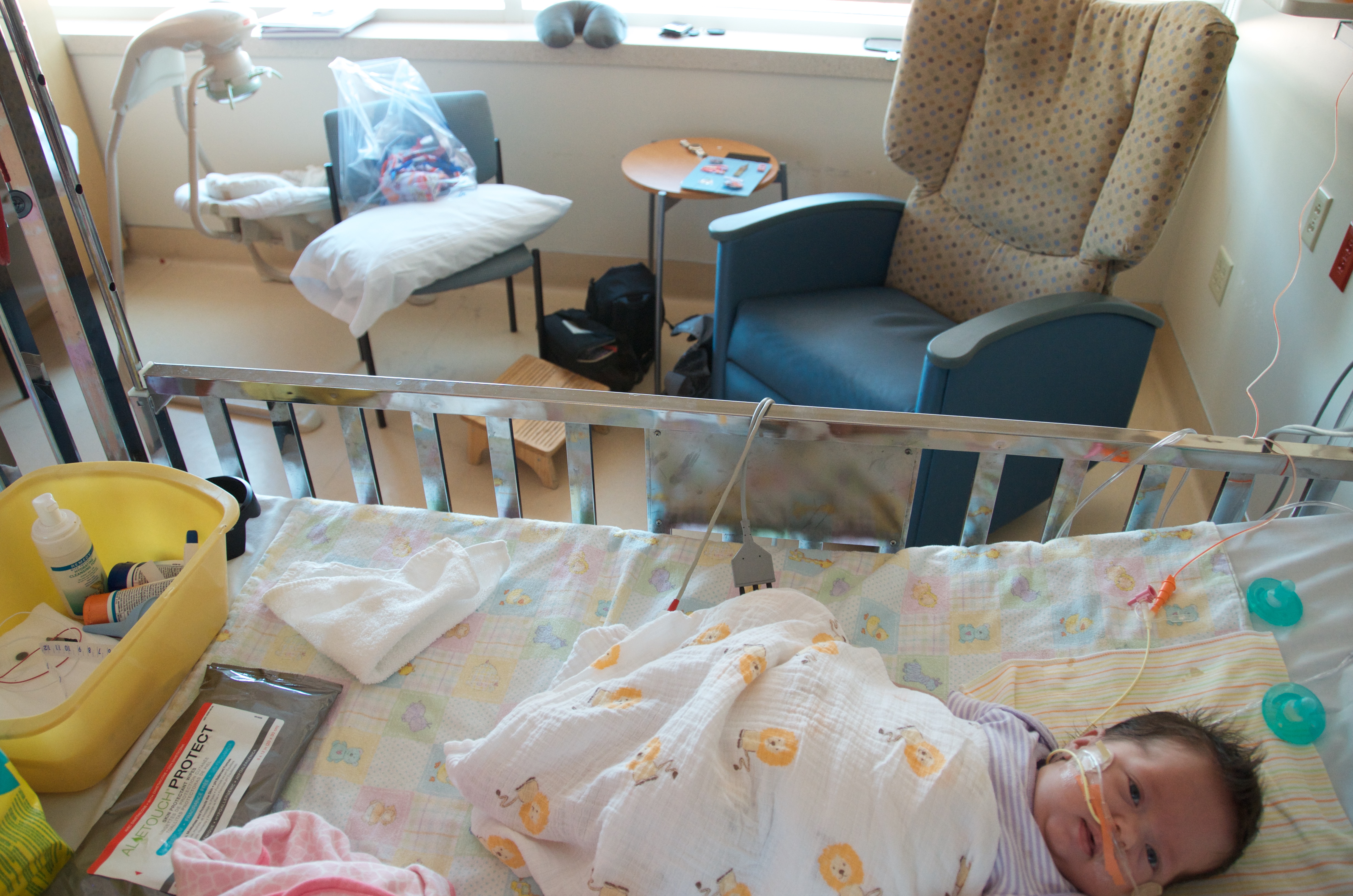
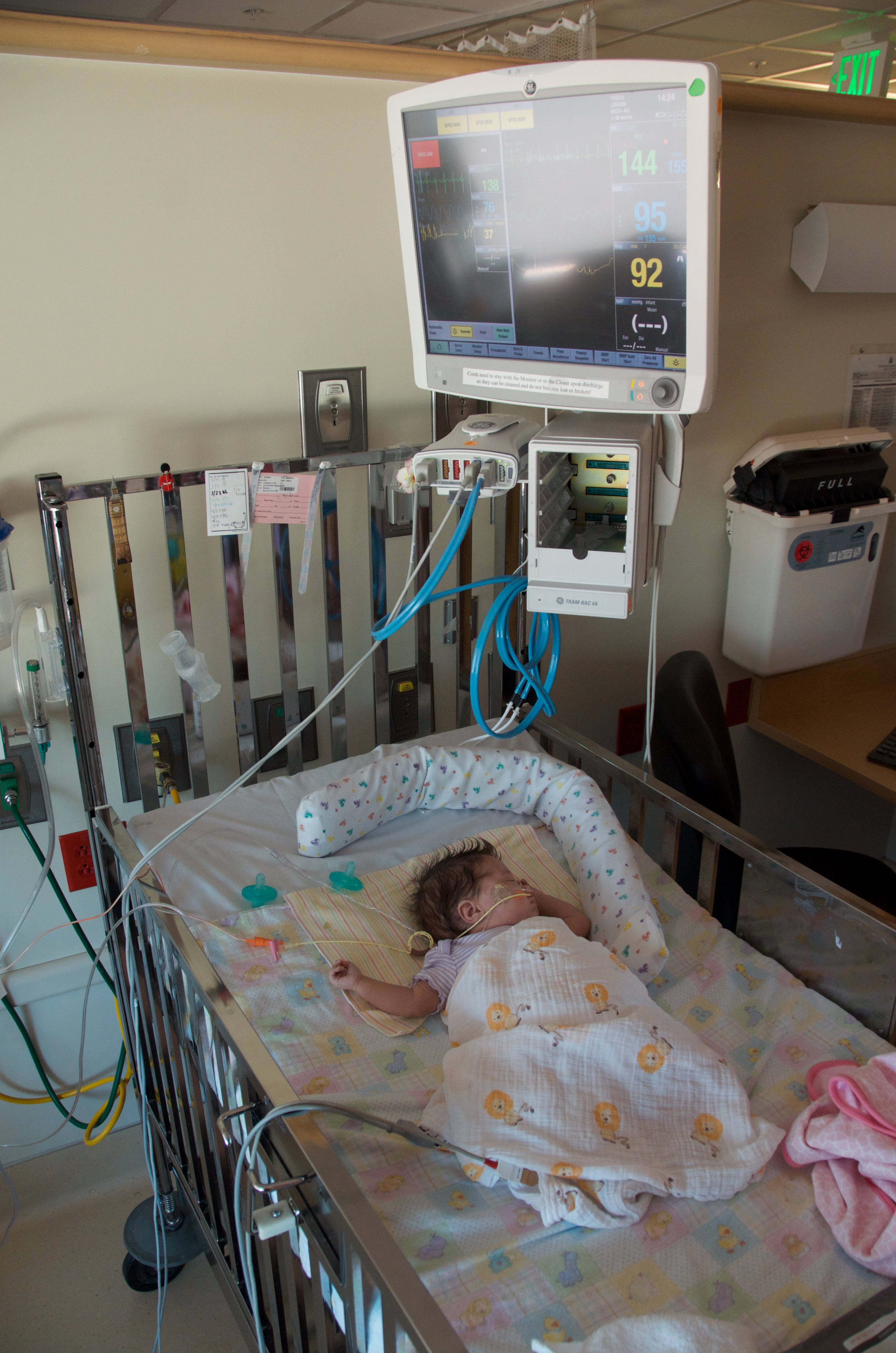
London resting in her NICU bed. For her, the day was not so monumental as it was for us. She had no idea what was in store. We did, and we could hardly contain our excitement and nervousness.

_BKP2741

This is one of those pictures that is more for our benefit than for yours. I wanted to capture what I saw from this side of the bed, where I actually rarely stood. I stood on the other side all the time. But at least from this angle you get a feel for what was in the rest of the room and the amazing windows we had in the room.

_BKP2745

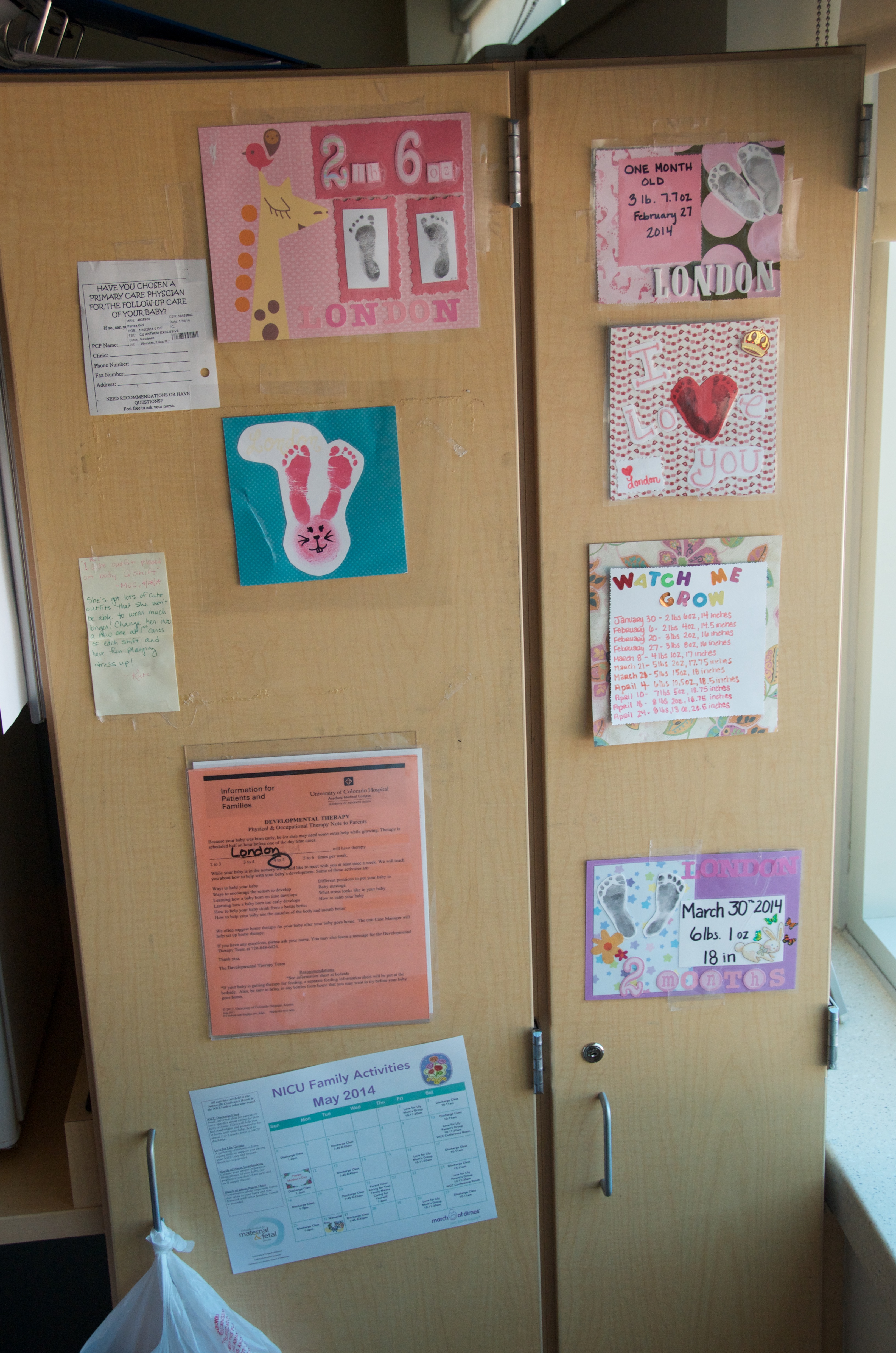
The closet in London’s room with several footprints, a growth chart, a physical therapy schedule, a note from Kate, and the top of a bag holding London’s dirty clothes. Again, just trying to capture it like it was before all this stuff came home with us.

_BKP2746

The million-dollar view. It doesn’t look like it, but it’s the only window this size in any of the NICU’s pods. We scored in a major way.

_BKP2748

I took all the stickers we had placed on things around the room and put them on the iPad. The outcast Leprechaun was a treat from our Irish primary nurse. When he was on the lamp for months, I had placed a Union Jack flag in his hand. Eileen was not amused.

_BKP2763

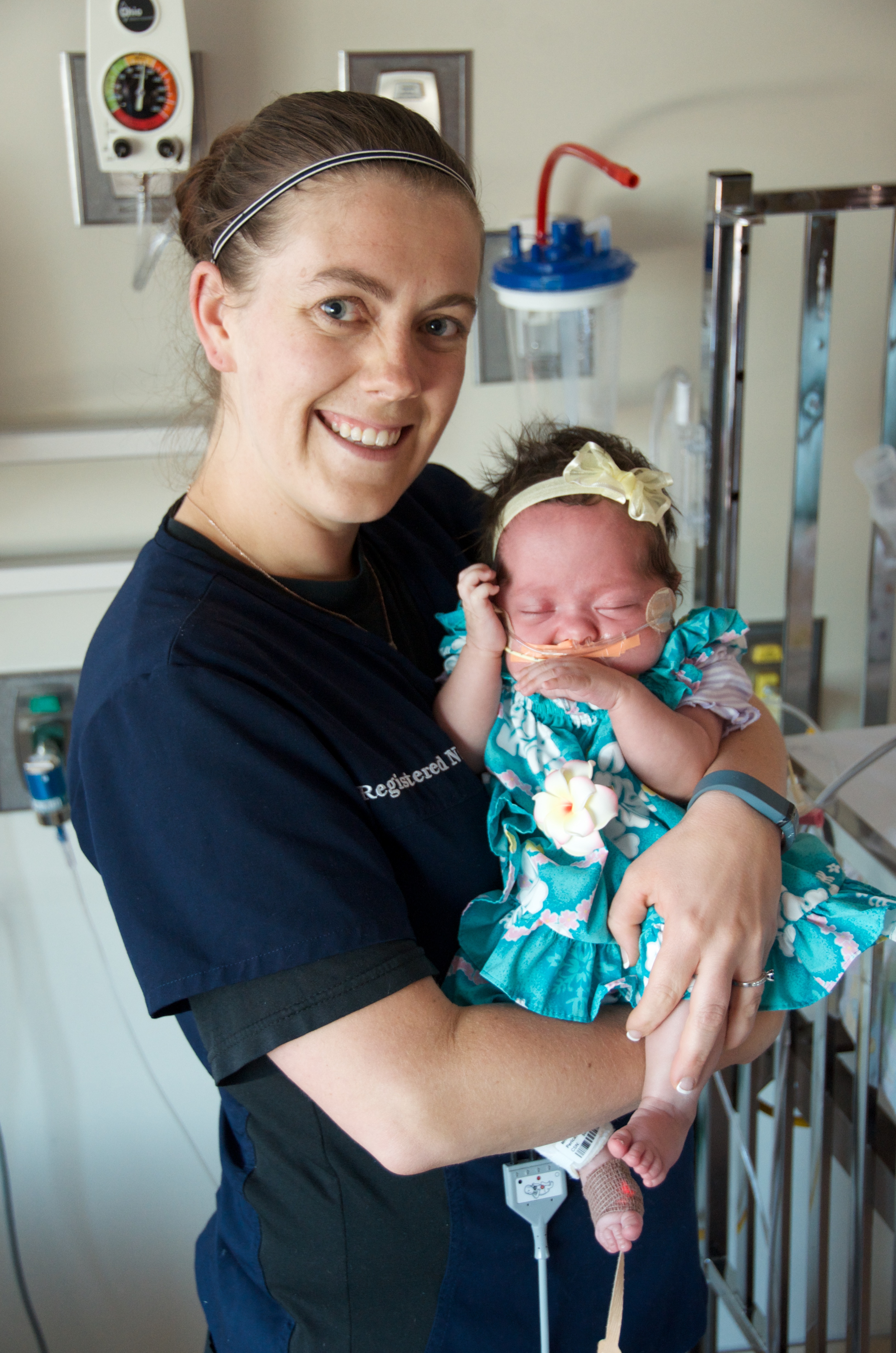
Dear Megan, London’s primary, on the last day she was responsible for taking care of London.

IMG_4148

Spent a lot of days in both of those chairs, usually with coffee on the side table and always with my Timbuk2 bag filled with magazines or books to read when, or if, I could get some time to do so.

IMG_4149

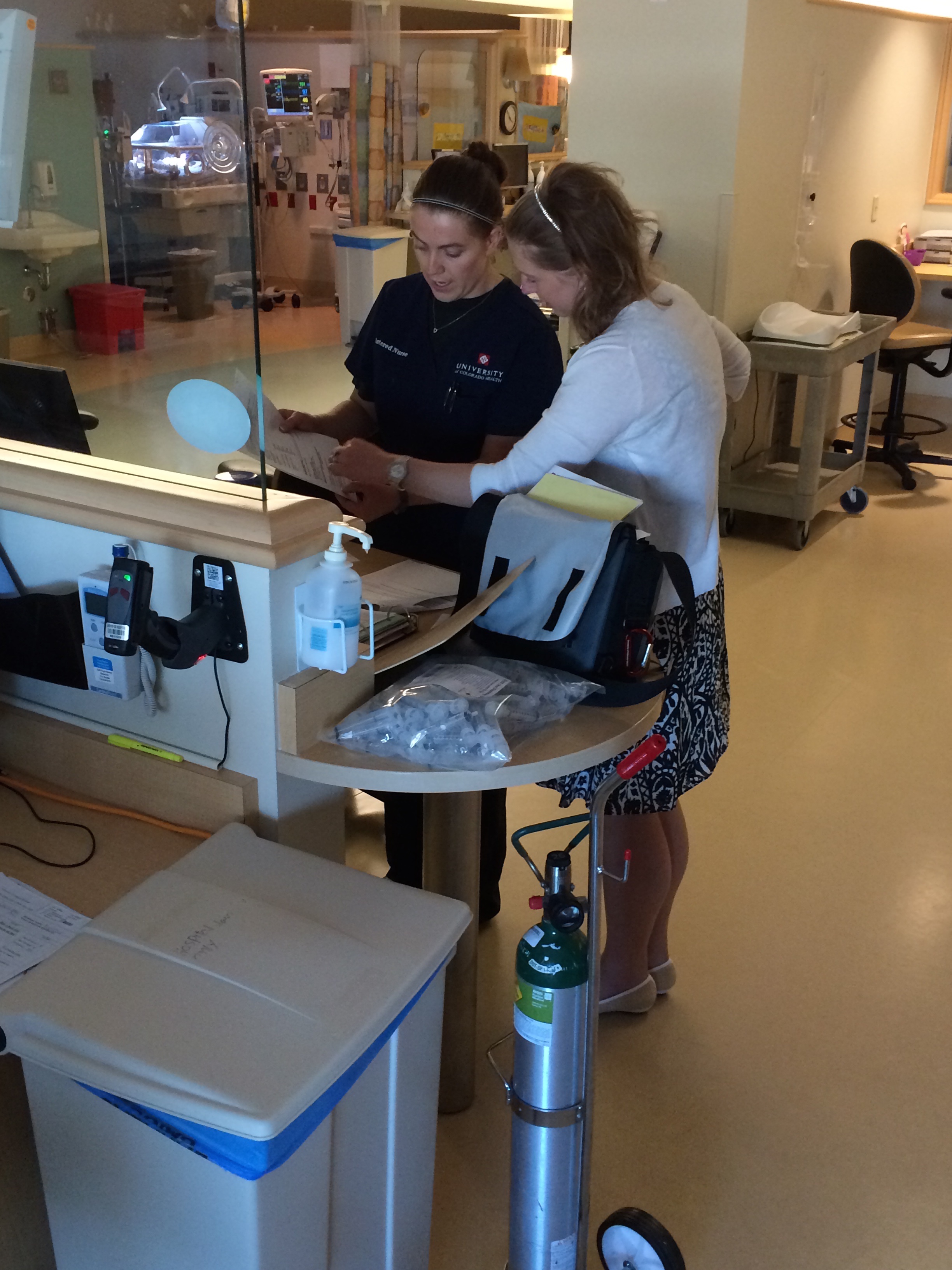
Megan and Kate going over some paperwork before we finish packing the room up and carry London out of there once and for all. There’s no way to explain just how nervous you feel about taking your daughter home from the hospital after she has been there for almost four months. You absolutely need to get everything right and you also need to know again and again what exactly needs to be done if there is a problem with something once you are home. In less than an hour there is not going to be a team of nurses and doctors on the other side of the curtain able to answer your every question.

IMG_2423

Moments after all three of us stepped outside the hospital, 109 days after we frantically arrived, thinking we’d spend just a few hours there.

IMG_4157

Home. The adventure begins anew.

Have A Preemie, It’s Such A Deal

I am here to be honest with you. Having a preemie is such a deal both in cost and effort. Think of all the deals you have come across in your life. Think of the deals you expect to encounter in the future. Let your imagination run wild. I really doubt the deal you have in mind will come even close to being as good a deal as I am about to share with you.

1. Delivery is really fast. You don’t even have time to anticipate it. One night, you’ll be at home watching TV (in our case, I was trying to watch the latest episode of True Detective on HBO), and you will be truly concerned about everyday tasks, leaning over to your spouse and saying, “Oh gosh, we still have to clean the kitchen.” Then the pain will come. You’ll make a smart decision to go to the hospital to get some drugs or something and be sent home. So, still, having a baby won’t even be on your radar. But then the water breaks and well, you know something is going to happen. You’re not quite sure what. And then a few hours later you have a kid. Very little pain. Lots of drugs. A lot of very nice people working to help you deliver this baby as quickly and as painlessly as possible. And it is. The scar will heal up very nicely.

2. No third trimester. “Wow, killer deal!” You might say. Well, you are spot on. From what I hear, that third trimester is just a pain in the ass, or more like the lower back. Fatigue? Ha, you won’t even get to the worst of it. Frequent urination? You’re safe. A two pound baby does not make you urinate more. Heartburn? Okay, you might still get this if you have a preemie, but it’s not what you think. It’s just because you had tacos with the hot salsa on them, not because you are growing a human being. Swelling? Nope. You’ll be able to wear your wedding ring right up to delivery. Weight gain? Are you freaking kidding me? As soon as you develop the slightest baby bump you’ll be hours away from delivery, saved from the expand-a-pants, saved from the waddle, the stretch marks, and the need to have a whole different wardrobe for that third trimester.

3. Best babysitting in the world. As soon as your baby arrives, NICU nurses, will be with your baby 24/7 until the baby leaves the NICU. The earlier the baby, the more days you’ll get this amazing babysitting at a relatively low cost. You can still go out for dinner. You can go home to sleep. In addition to the nurses there are many other professionals checking in on your baby, making sure she is comfortable and developing as expected. You might be a little stressed about leaving your baby in the NICU at first, but, oddly, you get used to it. You still need to enjoy your free time before you have a baby at home. You weren’t expecting to have a baby this soon. You had three more months. Take them. The NICU team has you covered.

4. The lighter your baby the better. Truly, if you have a really small baby, you just qualified for all sorts of assistance regardless of your income. You will learn about supplemental security income. You’ll get a check from the Feds once a month that has to be used on baby things. Easy enough. And then for some reason you’ll get a little bonus check when your baby leaves the hospital. Sort of like the Feds just saying, “Hey, congratulations! And thanks for paying all your taxes all those years. This is how we roll. We actually do some good stuff with the money you give us. Here’s some back.” Then, if you’re lucky enough to live in Colorado, your little, teeny, tiny baby qualifies for at home physical therapy and occupational therapy visits. Three times a month, they come to you, assess your baby, tell you what the baby needs to do better, tell you where the baby might be a little ahead, and, this is all at no extra cost to you. This time it is like the state saying, “Thanks for paying your taxes. You struck gold with this little girl and now we are going to pay people to help you with her development.”

5. People give in emergencies. The more traumatic the experience, the more people you will hear from, the more flowers you will receive, the more food will show up at your doorstep, the more aid in your mailbox, the more touching notes you will receive from people you’ve met once or have never met before, the more baby clothes you will receive, and the more diaper cakes you’ll be gifted. People will feel for you. They’ll fork over some really excellent gifts and meals. Truly, what a steal.

6. Having a preemie could very well be cheaper than having a full-term baby. When you have a preemie, she needs a place to stay. These places are called neonatal intensive care units or NICUs. A night at our NICU costs as much as the Peninsula Suite at the Peninsula, Chicago, or almost $9,000 a night. Multiplied by 109. No one is going to stick you with that bill. Trust me. In fact, when your bill arrives you could end up paying less than 1% of your total stay. I mean, if you have very solid insurance, you might just pay .007% of your total hospital bill. Double-O-Seven.

7. After hours visiting at the hospital. You know, typically when you show up at our hospital after 8 you have to sign in and say who you are going to visit. They give you a sticker that you immediately throw in the trash. What a waste. It’s a real hassle. You don’t want to stop and talk with anyone, you’re going to see your baby for crying out loud. Worry not. You’ll live at the hospital. After you’re stopped once or twice, you’ll just look over at the security desk when you next enter the hospital after hours and you’ll get in with the head nod you always see guys giving each other.

8. You get to write about it and people will read. And maybe, after you’ve gone through all this and cried a thousand times for your child’s life and watched her vital signs plummet to numbers that you just associate with death, you’ll be able to find some humor in the whole experience and put a spin on it like I just did.

Mind the Hierarchy

Here’s a pro tip for doctors from someone with no formal medical training:

When you are a resident, regardless of what year you are, introduce yourself as such when you are greeting parents of a 26-week preemie (or any other person in the hospital). Do not say, “Hi, I’m the neonatologist,” as if you are the attending when I can clearly read the giant block letters on your name tag that spell out, “R E S I D E N T.”

Important reasons for identifying yourself as a resident, in no particular order, are:

1. If you’re not a great doctor and you introduce yourself as the neonatologist we are going to assume, at the very least, that you are a fellow or maybe even an attending. And then we will be frightened because if you’re the fellow, then who the hell is the resident and are they next to my baby and, if so, can they please step away from her right now.

2. It’s nice of patients or parents of patients to know your resident status. We will actually give you a little slack (some of us will) because we know you are in an intense three-year period pursuing specialization in your desired field of study.

3. If you say something we disagree with or want to challenge (for example, ordering up another chest X-ray), it’s important for us to know you are the resident so we can communicate to you that we want the fellow’s opinion as well or that we want the attending in on this decision.

4. In rounds, don’t forget that you are the resident. You may be high on your horse, but remember, there are nurses in this circle that have been taking care of preemies since before you were born. There’s also a hierarchy. If a fellow is challenging your idea and nurses are backing up that fellow and the attending is sitting nearby not saying anything, that should really clue you in to the fact that the attending approves of what is happening.

5. You earn your title. Attending. Fellow. Resident. Intern. Clerk. Sub-I. So let us know exactly where in this hierarchy you reside. It’ll be best for all of us.