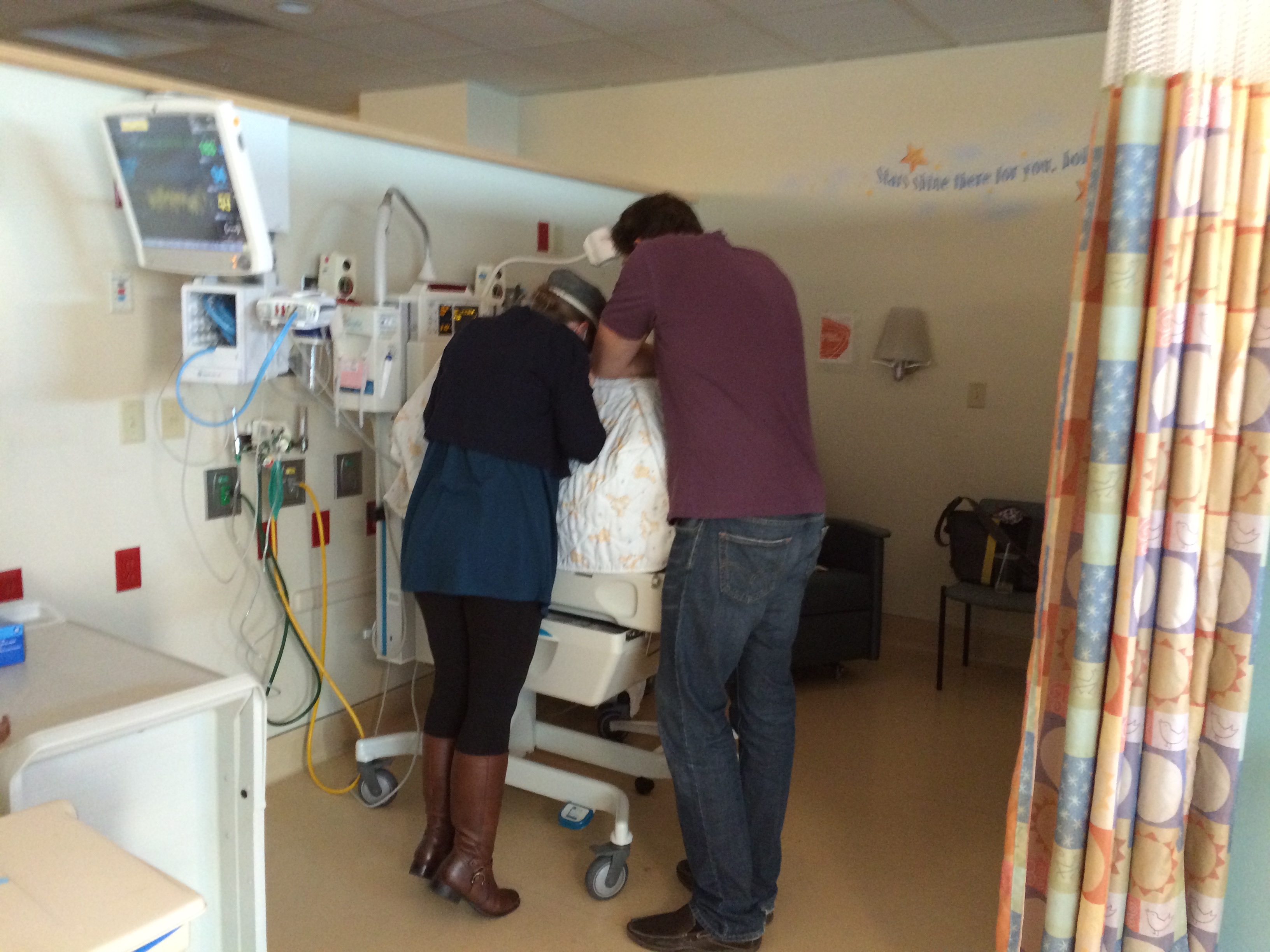
The Typical SAHD Day

I found that writing about my daily routine was very therapeutic and it is also great to have this down somewhere. It certainly will not prove to be the most exciting post of mine to read, but nonetheless, I share it because I never know who might find this helpful, touching, entertaining, etc.

6-7 am – Wake up. Kate will typically give London her first bottle of the day and graciously lets me snooze a little longer. Kate starts to get ready for work leaving London in my arms to cuddle a bit or to finish her bottle.

7-9 am – I set London down in the living room so I can get some breakfast. London is army-crawling or land-swimming now. Her curiosity drives her will to move to any corner of the room. She gets there fast and I usually have to break from my breakfast a few times to pick her up and set her back near her toys. Back to square one. I will also work out during this time. I take London to our unfinished basement. I bring her saucer down and some other toys. She is very content while I am working out. However, it is all about timing. If she is hungry, this is not going to go very well. I make sure she is full before we go downstairs. I typically do a workout from one of three workout programs I have completed in the past: P90X, Insanity, or T25.

9-10:30 am – Back upstairs in the kitchen. If London didn’t have her breakfast before my workout, then it’s time for that. Right now, she loves multigrain cereal and mashed up banana. We just tried yogurt for the first time yesterday and she downed a full serving size. It took me a couple weeks of London occasionally vomiting after meals to realize she needs to spend a little more time upright following a bottle or cereal. This also means I can’t hold her upright in my arms and give her a little bounce. I was doing this last week while watching some TV and I heard a loud splat and felt warm slime on my foot. I looked down and my right foot, directly under London’s mouth five and a half feet above it, was covered in vomit. So, upright she shall stay during this time until I feel we are in the clear. Sitting on the floor with her is how this time usually passes. She’s quite good at sitting as long as there are some toys within reach. I usually have an episode of The Wire on in the background. This show aired on HBO and is a cop drama based in Baltimore. Excellent writing, but dark, gritty, and very realistic.

10:30-12 pm – London’s first nap of the day is around this time, give or take thirty minutes. She typically sleeps for a little over an hour. I take her upstairs to her crib, put her in a new diaper if she’s been wearing the same one for a while. She naps much better in a fresh diaper than a slightly wet t0 wet diaper. That’s probably the case for most babies. Sleeping in a wet bed doesn’t sound fun. I stay in the room until London is asleep. This gives me some time to read aloud Harry Potter to her. We are somewhere around page 500 of the 5th book, Harry Potter and the Order of the Phoenix. I do not read a page in silence or away from her side, so it is taking me a while to get through the 870 pages of this book, but since I read some to her every time I put her down for a nap I am able to whittle away a decent chunk of the book each week.

Once she is asleep I will hit up some house duties. Go downstairs and clean up the kitchen. Do some laundry maybe. Pay some bills perhaps. You know, all the menial but important stuff that goes in the background of every functioning household. I will also shower so London and I don’t have to smell me the rest of the day following that workout downstairs.

If there’s some time left, I will partake in one of my favorite rituals of the day and brew some iced coffee. I’ve recently started to make Japanese iced coffee with my Chemex. This is a superb method and, after trying a variety of methods, the best one I have found.

12-1 pm – London wakes up. I give her a bottle. She will play in her activity saucer afterward while I scrounge up lunch of leftovers or graze through the pantry for something resembling a decent meal. Maybe I’ll watch a little more of The Wire. These episodes are an hour long and I never watch them in one sitting. They are usually broken up in four or five parts scattered here and there throughout the day.

1-3 pm – If we have errands to run, this is when I get them done. I like doing them while London is awake so her nap time can be at home and I will also have more time to myself if she sleeps at home. Whether it’s the grocery store or flying through Costco, London is so good when I am out with her. Today we went to the library to pick up a book and a movie I had on hold there. She seemed to know it was a quiet building, keeping her singing voice at bay for a few minutes. Once home, more floor time with London. This is usually the time of day when I read her “age appropriate” books. We usually lay side by side on our backs, with me holding the book above us, her arms outstretched for the book, wishing to touch the thick pages and pull them to her mouth. She looks from the page to my mouth, so intently studying the movement of my lips and the sound coming out of my mouth.

3-6 pm – London’s second nap will happen sometime in this three-hour block. After finishing up this dose of Harry Potter, I usually have a little cleaning up in the kitchen, but then I have some real free time. I always face a choice during this time. There are two things I love to do during this time and not enough time for both of them. Will I read? Will I sit down and write a blog like I am doing now? If I don’t have a blog idea, I do not force it. So, with any luck, London sleeps long enough for me to read an old issue of The New Yorker or a few chapters of a book. Come 5:30, I will usually watch the nightly news and I will have to be snacking on something by then. London wakes up and Kate gets home next, or vice versa.

If there’s dinner prep to be done, I do it during this time, sometimes making all of dinner so that when Kate gets in the door we can all sit down and eat while Kate feeds London her dinner in the high chair pulled up next to our dining room table.

6-9pm – The use of this time varies. We might have a rented movie we want to watch. London might need a bath. We clean up after dinner. We tell one another about the day. I usually lean on Kate a little bit during this time, shedding some of the parental duties and enjoying the split of them between us. Come 8:30, we are thinking about heading upstairs for the night. I get London a bottle, her last of the day, and make another one for the morning. I bring her morning bottle upstairs in a little cooler bag to keep it fresh for the morning. London loves cold bottles!

9-10:30 – I typically give London her last bottle. London gets a goodnight kiss from Kate and I put London in her crib. I usually do not read to her at this time, slipping out of the room as soon as she is in her crib so she doesn’t get accustomed to me being there. If she does, then she will cry as soon as I step toward the door and make any sign of leaving. But, if I step out right after she gets in her crib and is holding her hands together and looking at them, then she won’t even notice me leaving. Of course, before all this I lean in and kiss her on her forehead, still to this day having a brief thought of her incredible progress and the adventure she has taken us on. An adventure unlike any other.

Once London is asleep, I will check on her once more, usually moving her into the center of her crib. Then it’s to bed for me. Reading with a headlamp or watching some late news.

A SAHD Article

Two friends sent the same article to me yesterday. Published in The Atlantic, Ryan Park eloquently writes about his time as a _BKP3983stay-at-home dad following his clerkship in Ruth Bader Ginsburg’s office. The article is titled, “What Ruth Bader Ginsburg Taught Me About Being a Stay-at-Home Dad: A young lawyer puts his former boss’s ideals into practice.” Here is a link to the full article, which is not short, but well worth the read to get this dad’s perspective.

The following are quotes from the article that prompted some head nodding and laughing because Park is so spot on.

“There’s an underlying assumption that women and men have different visions of what matters in life—or, to be blunt about it, that men don’t find child-rearing all that rewarding, whereas women regard it as integral to the human experience.”

I fully agree with the author on this point. The above assumption, in my case, is not true, and I wish the assumption was not out there at all (it would make it a little easier on us SAHDs). However, I can understand its existence. When I was growing up gender roles were presented as evolved from decades past, but there was still an emphasis on the mother as caregiver and the father as breadwinner. I do not know if that has really changed. Based on television commercials, it hasn’t, but that is a quick calculation by me.

“I could go weeks without seeing another man between the ages of 5 and 70 during the weekday working hours.”

Isolation is something that all stay-at-home parents must endure for part of their parenting, especially if that takes place during the infant months, which are chock full of naps. Naps, which we love, but also necessitate some solitude on the parent’s part.

“In virtually every extended conversation with a member of the yoga-pants tribe, I encountered the assumption that I didn’t want to be doing this—that my presence at the playground was the product of a professional setback.”

This is one of Park’s strongest points. Many people who hear that I am a SAHD assume it is because I was fired, couldn’t find work, or just generally suck at being out in the “real” world. Most people would never, ever confess to harboring this feeling, but I have the radar for it. It really does not get by me. I am sure it does not get by most SAHDs. The assumption is that this is not a choice, that SAHDs have been forced into their role. It is true that Kate and I were forced into this situation because of London’s prematurity. But now, since London has shed her medical accoutrements, we could, if we wanted to, decide that I should go back to work and we could pay a nanny $12/hr to be at home with London during the day. That is a realistic option we have now, but we are not moving forward with that, at least not at this point. So, in our case, we have made a choice for this to be long-term.

I understand that when you meet a SAHD it is difficult to tell whether his role is a chosen one. I am all about making it a little easier for SAHDs to be loud and proud about their duties and the way they go about accomplishing them. Thus, I have one suggestion. When you meet a SAHD do not assume he was forced into staying at home with his kids. Do not assume he chose to stay at home with his kids. Just talk to him instead. Hear him out. He will probably enjoy talking to another adult during the day (this rarely happens). Afterward, maybe you will know why he is a SAHD, maybe you won’t, but that should not be your concern, being friendly should be.

36 Weeker ≠ 26 Weeker

One does not want to brag about how long their baby was in the NICU, although many do (see this earlier post on NICU bragging).

However, not all who mention how long their baby was in the NICU for are bragging about the experience. I would say a decent number of parents are simply stating that information up front as a desperate attempt to find someone else out there who has gone through exactly what they have gone through. I can relate to their desire because parents who have had a 26-weeker are not going to have much in common with parents of a 36-weeker.

What Kate and I know about prematurity is based on our own experience of having a 26-weeker. So, if you can, imagine our reaction when we read something like this, “My baby was born at 36 weeks. It was so horrible. We had to stay in the NICU for two weeks.” Parents of a 26-weeker are just going to laugh at that. In a similar fashion, so different our experience could be from a 24-weeker that parents of such a preemie might rightly scoff at our daughter’s 109 days in the NICU. I would not hold that against them because 24-weekers are at a higher risk of having longterm side effects from their prematurity than 26-weekers.

The earlier your child is born, the more you will hear stories from parents of preemies that will sound “easy” or “absurd.” The more they are going to sound like the person is NICU bragging, when, in fact, they might not be at all. Perhaps they just want to share their story. 32-weekers are fairly rare, right? Yes.

As you might be able to tell from reading the earlier post about NICU bragging, my views on this phenomenon have slightly evolved. For parents of preemies, a good rule of thumb is this:

Next time you are talking to someone who has also had a preemie, do not assume that their child’s time in the NICU was harder, easier, shorter, or longer than your child’s stay there. There are ways to find parents who have gone through the same experience as you have, but starting off with woe is me, is likely going to isolate you rather than find you the support you desire.

A Letter to a Year

Dear 2014,

Only 28 days passed predictably by before you became a year unlike any we had ever had. We were already set up for a big year with the closing on our first house December 31, 2013, and with our first kid on the way, due May 4th, and with me finding a job by then. But, only one of those big events went as planned, sort of. We did plan on having more than three weeks in our house before we added another person to it. Was this your way of hogging London? Eight months with her was not good enough for you? You wanted 11 months and one day to spend with London. I understand. After spending one moment with London, I could not hold that against you, but your selfishness sure made it hard on mom and dad.

Lots of things happened during your 365 days. Weddings. Holidays. A little travel here and there. Weeks of thunderstorms. Weeks of dry, hot heat. The Super Bowl. A season of television. Tax day. Pay days. Big days. Little days. Slow weeks and fast weeks.

But for 337 days, only one being mattered. You got your wish, 2014. You are all about London, but in three parts: her early arrival, her fight to stay here with us, and then her thriving.

You forced me to change so much I can barely remember what that little sliver of me was like before London arrived. But as I write this I know I am very much the same person I was at the start of the year as I am now at the end of it. But everything I am has been rearranged and redefined. Yes, 2014, you sure had your way with us, but we left you much stronger than we were when we said hello to you all those long days ago.

I know there will be other years like you. I wish I could see some of them coming, but I am also thankful I cannot, because in a lifetime not all years have happy endings, but this one does. I’ll toast to that.

Cheers, 2014.

The Redefining

I wanted to share something short today.

At some point during London’s NICU stay I was shuffling through some words in my head. The words were not new words to me, but rather old ones with new, real-life experience meaning.

Selfless.

Difficult.

Scary.

Challenging.

Beautiful.

Enduring.

Love.

The meaning of these words most often change with a full-term baby, but when you have a super early preemie almost no word or perspective is left unchanged. The story of London’s birth is many things to us, but to boil it down to a few sentences is this…

A shift of everything into high gear and high limits. Your life and your cares as you knew them were wiped away in an instant. It is the redefining moment of your lives. What you thought would break you passed and you emerged from it whole.

Remade.

And redefined.

New and Exciting Things About Fatherhood

I did not expect to be a stay-at-home dad. Thus, I did not expect to be as excited by some things related to stay-at-home parenting as I currently am. This post is about some of those things.

Level 3 Nipples

Anything that helps the baby blast through a bottle faster is a godsend. When London first got home it would take her an hour IMG_5059to finish off 65 mL! And that was if you were lucky enough to keep her awake for an hour straight. That was next to impossible during her first weeks home. Eventually, she became more alert, but taking a bottle would still take up to thirty minutes. I remember when we moved to level 2 nipples and that time was cut down to fifteen or twenty. But just recently we tried level 3 nipples and she polished off a 160 mL bottle in eight minutes. These are the magic moments.

Grocery Shopping With A Stroller

I am ecstatic when I go to the grocery store and I can get buy with pushing London around in the stroller instead of using a shopping cart. London’s stroller has a large basket under the seat that can hold a lot of goods. Using it for the first time instead of a shopping cart I realized how easy it would be to just push the stroller right out of the store with groceries stashed away under a diaper bag. I have not tried that out and do not plan on it, but every time I fling goods into that lower storage net I expect a store employee to say I cannot do that anymore because, “You could just walk out of here with that stuff down there and nobody would know.” Anyways, I love ditching the shopping cart for the stroller. A just tuned up and thoroughly-oiled cart is no match for the smoothness of the stroller too!

Accomplishing Tasks With Baby In Arms

Last week I successfully held London and with one hand held a beer and with the other hand held a bottle opener. The execution was flawless. In seconds I was sipping a cold one and baby was never at any risk at all. I need to set up a tripod with a camera remote to record these moments. The things I carry with London or the tasks I manage to do with my hands while holding her are certainly worth recording.

Beating The Moms Through The Grocery Store

Yep. I said it. It feels damn good. I have my grocery store down pat. I did most of the grocery shopping long before London arrived and since moving to Denver I have done most of that shopping at the same store. I would say I probably am a little more aggressive with the shopping cart than most moms I come across. Once I know London is locked in, then it is liftoff. I have my strategies, but I am not revealing them here. I might reveal some secrets of the trade over beers…if I get tipsy enough.

No Ramp, No Problem

I have been out and about a few times with London when we have come to a flight of stairs where I was expecting a ramp. The first time this happened to me I turned around to search for an easier way down, but when I did I thought, what am I doing, I can probably pick up the whole stroller with the carseat attached to it and walk down the stairs. I have long enough arms that I can easily secure my arms on opposite sides of the stroller when facing it from the side. Remember, lift with your legs, not your back, and you are free to move about the stairs, up, down, and all around. Don’t mind the onlookers. They’re just jealous. These arms aren’t just for decoration.

Free Of It

I was filling up a growler at the Bull and Bush when I received word that London no longer needed oxygen support. Tears immediately filled my eyes as I stared at the text message from Kate that delivered the news. I tried to compose myself as I signed the bill and took my growler, noticing a woman next to me at the bar. The woman’s prolonged stares told me that she knew I was trying hard not to cry.

Back in my car, I was able to share the news with my parents who were visiting us for Thanksgiving. After that I wept. I was overcome with pride in my daughter’s strength and attitude. It was the happiest cry I can remember having.

Here, on this blog, I have tried to convey to you what this journey has been like for our little family. However, there are some emotions that are so hard for me to put into words that I know I cannot give you the depth of feeling I felt at this news or that news, nor should I really expect to be able to do that because my feelings as London’s dad are obviously not going to be the same for you. Nevertheless, I wanted to try.

If you have read this blog from the start, you know just how far London has come since birth. I have reminded you enough. But her finally shedding oxygen support was a landmark event in her story, unlike any that she or heFullSizeRender-2r parents have lived through.
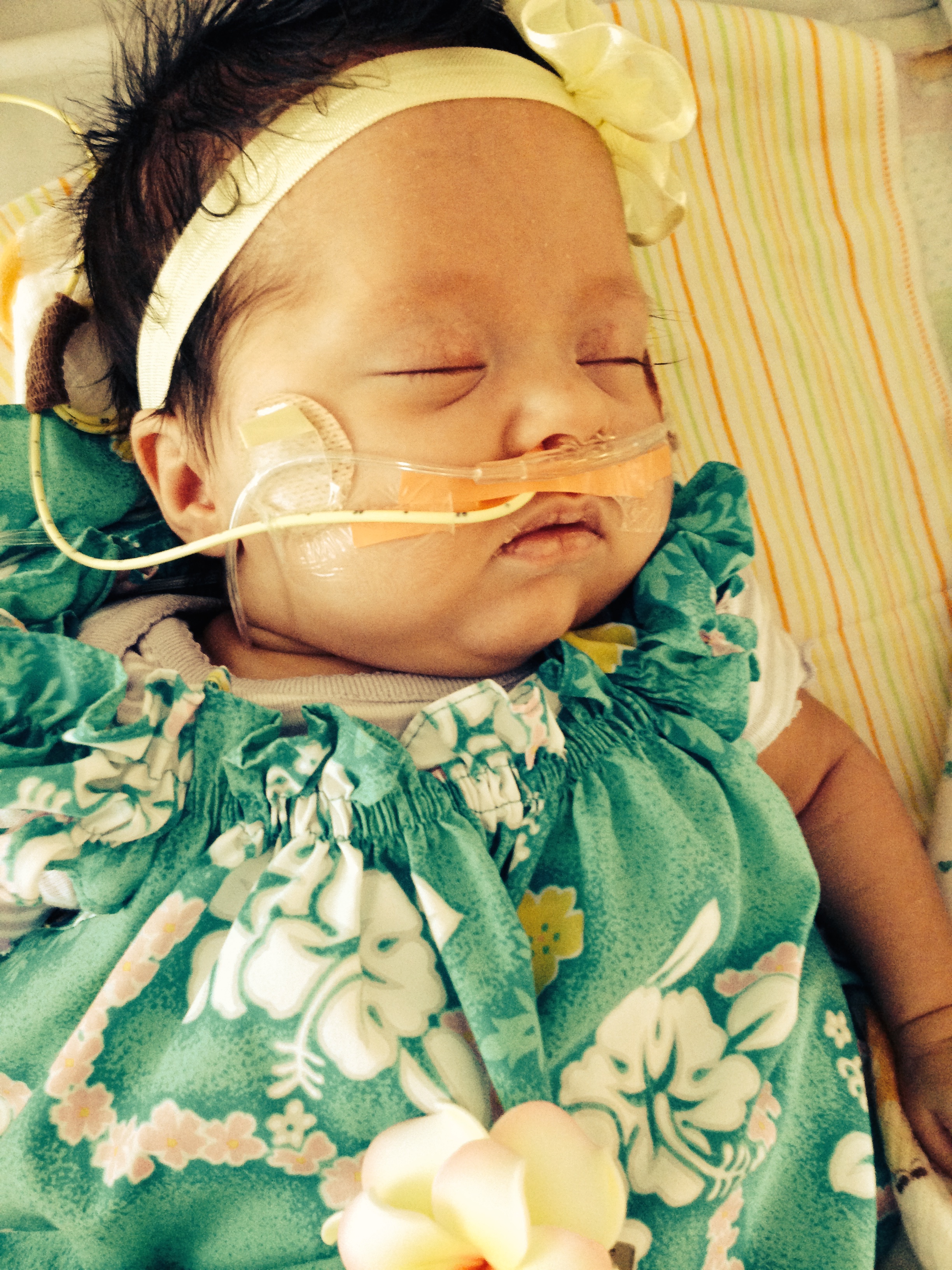
From January 30, 2014, we have treated London like a normal baby, sort of convincing ourselves that this is how all lives start. This is a coping mechanism and I suspect parents of babies and children with physical or mental setbacks have often treated their child as completely normal. This has served us well and I am sure it has served countless other parents well.

Now, I can only speak for myself, but no matter how much I thought of London as normal, I knew of her unique health risks and the challenges she had faced, so I never forgot that this was all quite far from normal. For all of her life up until last Tuesday, London had external, let’s call them accent pieces, on her face that clued everyone else into her prematurity or special needs. As a parent of a preemie, you get used to this, but from that first moment when you see your baby in that Isolette with tubes coming out of her mouth, nose, and belly, you yearn for the day when she can rid herself of it all, when she can be free of it.

Just shy of her ten-month birthday, that day arrived and I will remember for the rest of my life where I was when it did.

Articles of Fatherhood

In November there were two great articles about fatherhood in the New York Times. The first one was printed under the title, “The Leave Seldom Taken,” and it can be found here. This piece talks specifically about paternity leave and how taking it, when you work for certain companies, can be a strike against you, but those dads who do take significant time off (we are talking months here, not weeks) after a baby arrives are significantly more involved in the lives of their children–during all stages–and do more domestic duties around the house and beyond. We have probably all known someone who could take a little time off from work to better understand the other side of the equation, i.e. all the behind-the-scenes work.

Obviously, due to financial situations, not all dads can take paternity leave because not all companies offer paid paternity leave. But, when it is offered and a man does not take all of it because he feels like it’s not his responsibility or he fears he would pay the price at work, I think, he is not much of a man. Of course, I am a stay-at-home dad, so I am a little biased. But I encourage you to read the article for yourself.

The second article, “Challenging The Mr. Mom Stereotype,” was about a gathering of the National At-Home Dad Network. The conference, to my surprise, took place in Denver. I wish I had known about it. There is lots of good stuff in this article (read it here), but I loved this passage:

(At the end: a female newscaster asking, “Is dad the new mom?” To which a chorus of male voices shouted at the projector, “No!” But these men are used to that question, or at least what it represents. They see it at the playground as they scan the grass for other dads to talk to, or from male friends who, as Mr. Washington put it, “don’t always get it.” They hear it in the innocent question from a neighbor–“Are you babysitting today?”–or the pediatrician who asks, “Should I speak with your wife?”

I loved hearing about the response to the “new mom” question. Stay-at-home dads, or sahds, are not the new mom, at least this one isn’t. Mr. Mom implies that we are raising our kids in exactly the same fashion as moms raise kids. Spend just a couple hours with a stay-at-home dad and I think you will realize how inaccurate a label Mr. Mom is for a Sahd.

Lastly, just today I was out grocery shopping and the lady at the deli counter said, “Oh, a father daughter day. I just love seeing dads out with their kids.” Before the week ends I’ll hear, “Oh, day off today?” Sometimes I simply say, “Yes,” and other times I look the person right in the eye and say, “No day off today, I’m a stay-at-home dad.”

Not all the things people say to me when I am out with London are like that though. A few weeks ago, a nice old lady at Costco patted me on the arm and said, “The sexiest thing in this world is a man with a baby. Don’t you ever forget it.”

I won’t.

Pictures: Leaving the NICU

_BKP2732


The day of London’s discharge from the NICU I brought the Nikon to take some higher res photos of her room and its surroundings. Although we never wanted a baby in the NICU, it did become a home for us after three and a half months. I suppose anywhere your baby has to stay will inevitably feel like a second home. I wanted to capture even the mundane things of the room, like the chairs we sat in everyday, or the closet doors displaying her footprints and growth progress. So, some of these shots will just not have much appeal to you, but I thought I would share them anyway because they mean so much to our little family.

_BKP2735

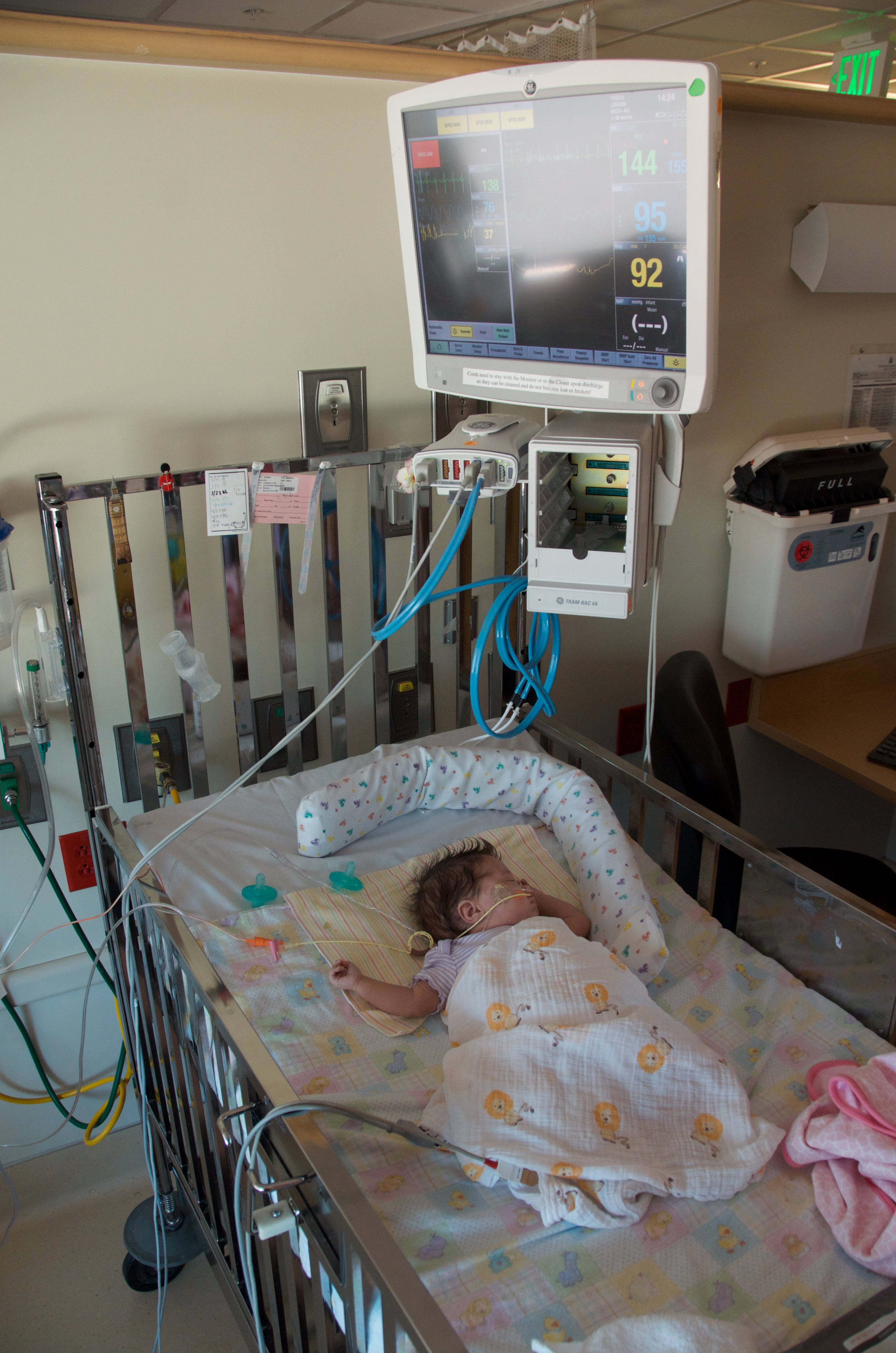
London resting in her NICU bed. For her, the day was not so monumental as it was for us. She had no idea what was in store. We did, and we could hardly contain our excitement and nervousness.

_BKP2741

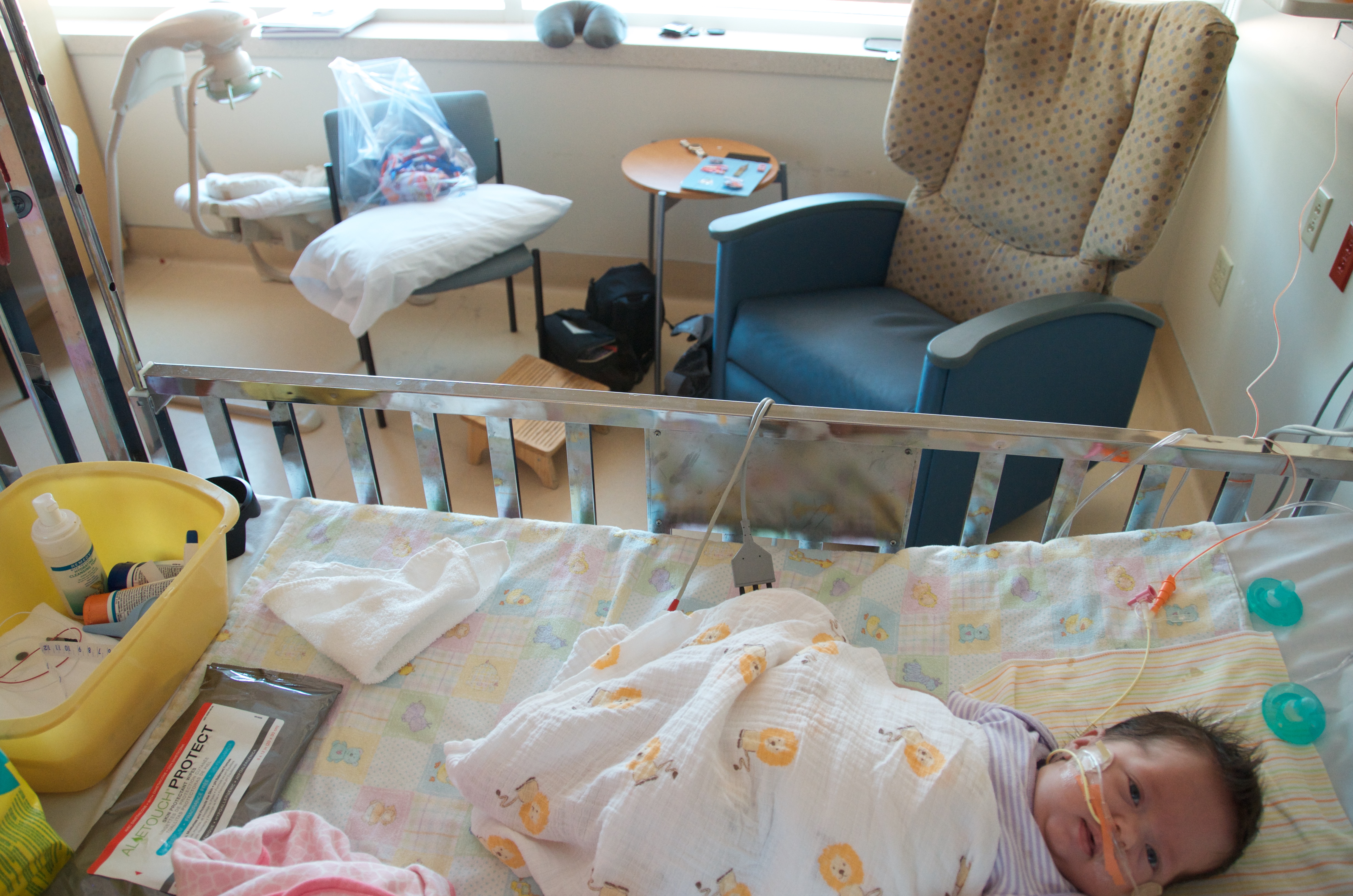
This is one of those pictures that is more for our benefit than for yours. I wanted to capture what I saw from this side of the bed, where I actually rarely stood. I stood on the other side all the time. But at least from this angle you get a feel for what was in the rest of the room and the amazing windows we had in the room.

_BKP2745

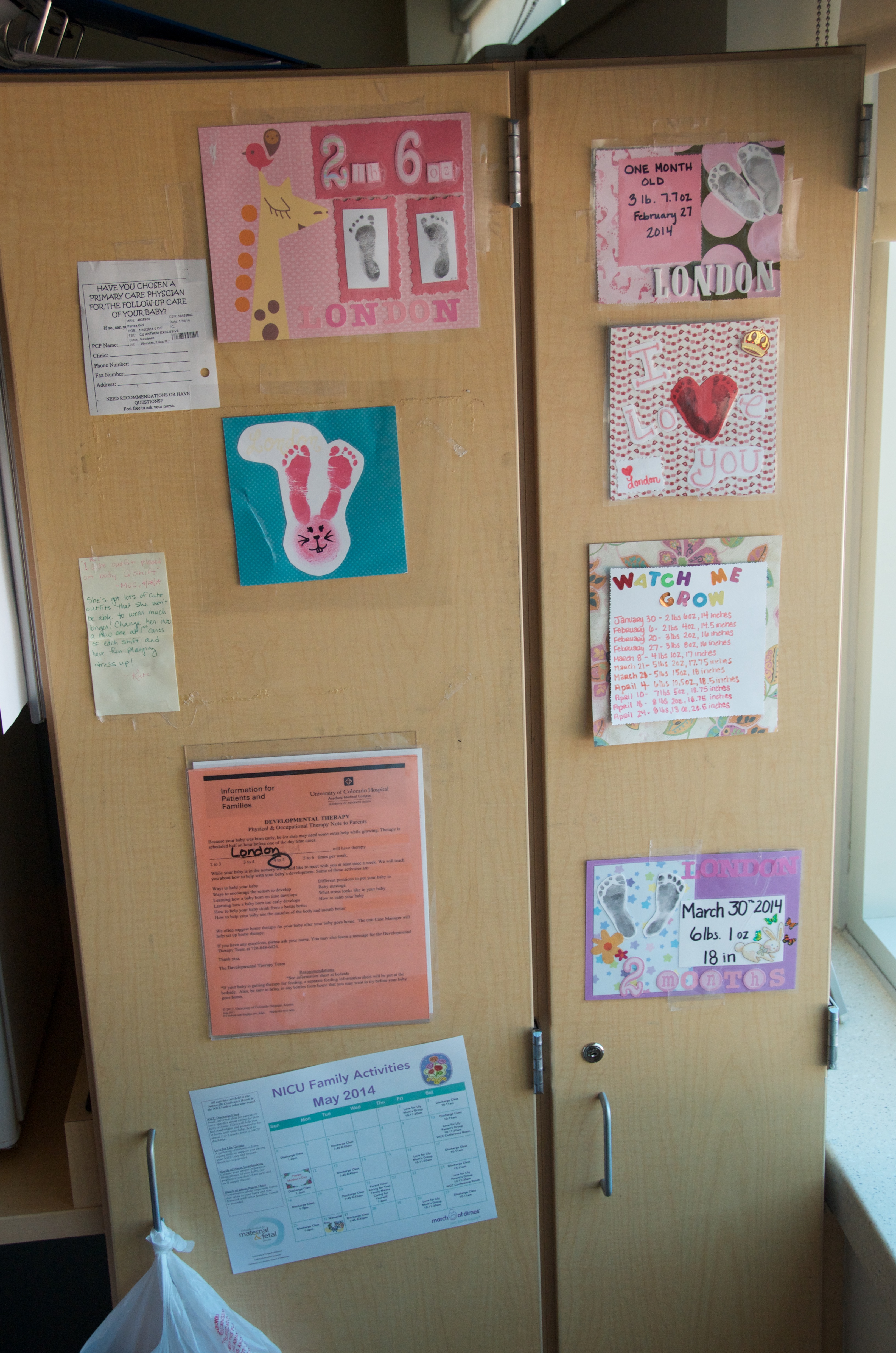
The closet in London’s room with several footprints, a growth chart, a physical therapy schedule, a note from Kate, and the top of a bag holding London’s dirty clothes. Again, just trying to capture it like it was before all this stuff came home with us.

_BKP2746

The million-dollar view. It doesn’t look like it, but it’s the only window this size in any of the NICU’s pods. We scored in a major way.

_BKP2748

I took all the stickers we had placed on things around the room and put them on the iPad. The outcast Leprechaun was a treat from our Irish primary nurse. When he was on the lamp for months, I had placed a Union Jack flag in his hand. Eileen was not amused.

_BKP2763

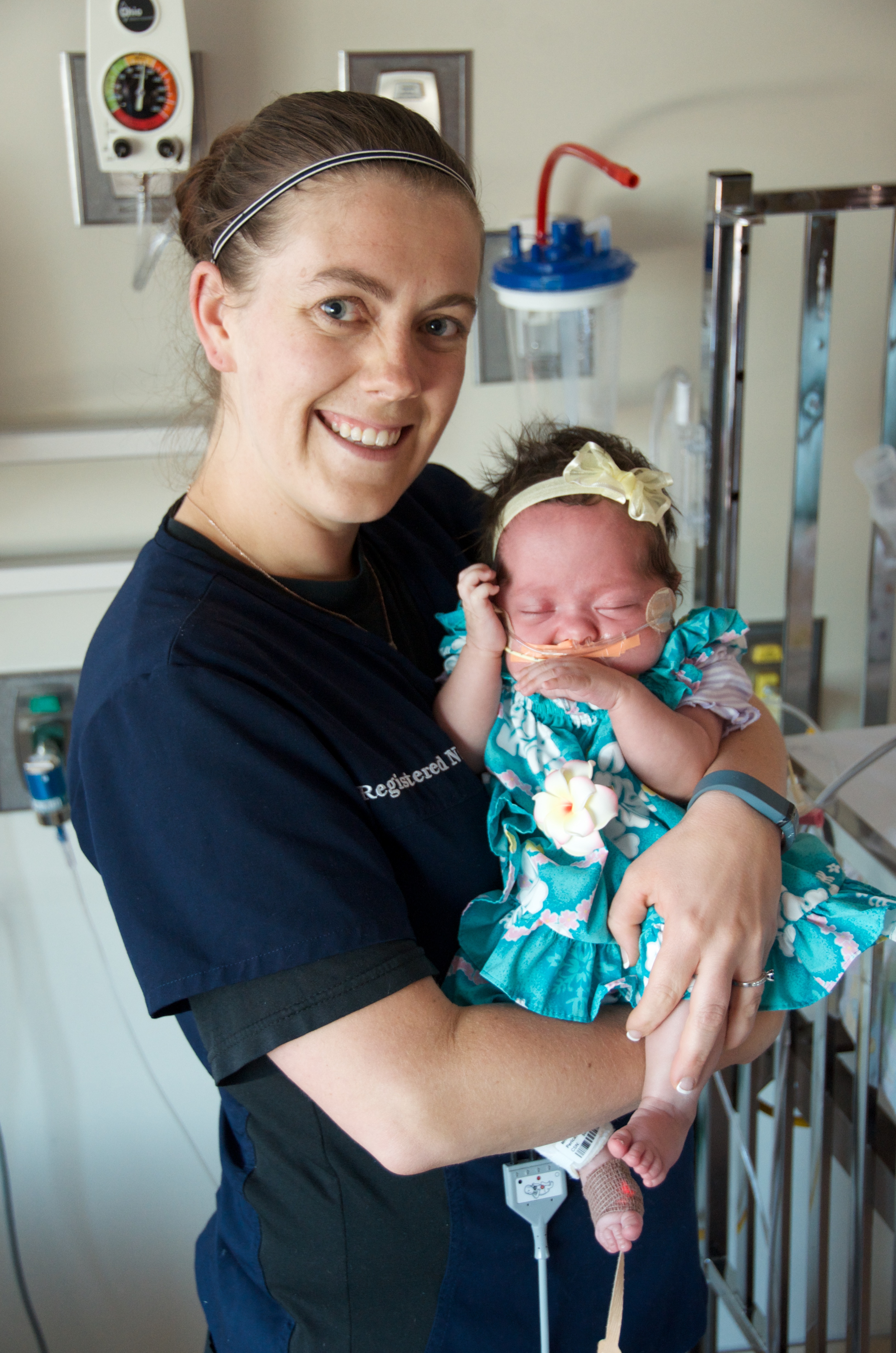
Dear Megan, London’s primary, on the last day she was responsible for taking care of London.

IMG_4148

Spent a lot of days in both of those chairs, usually with coffee on the side table and always with my Timbuk2 bag filled with magazines or books to read when, or if, I could get some time to do so.

IMG_4149

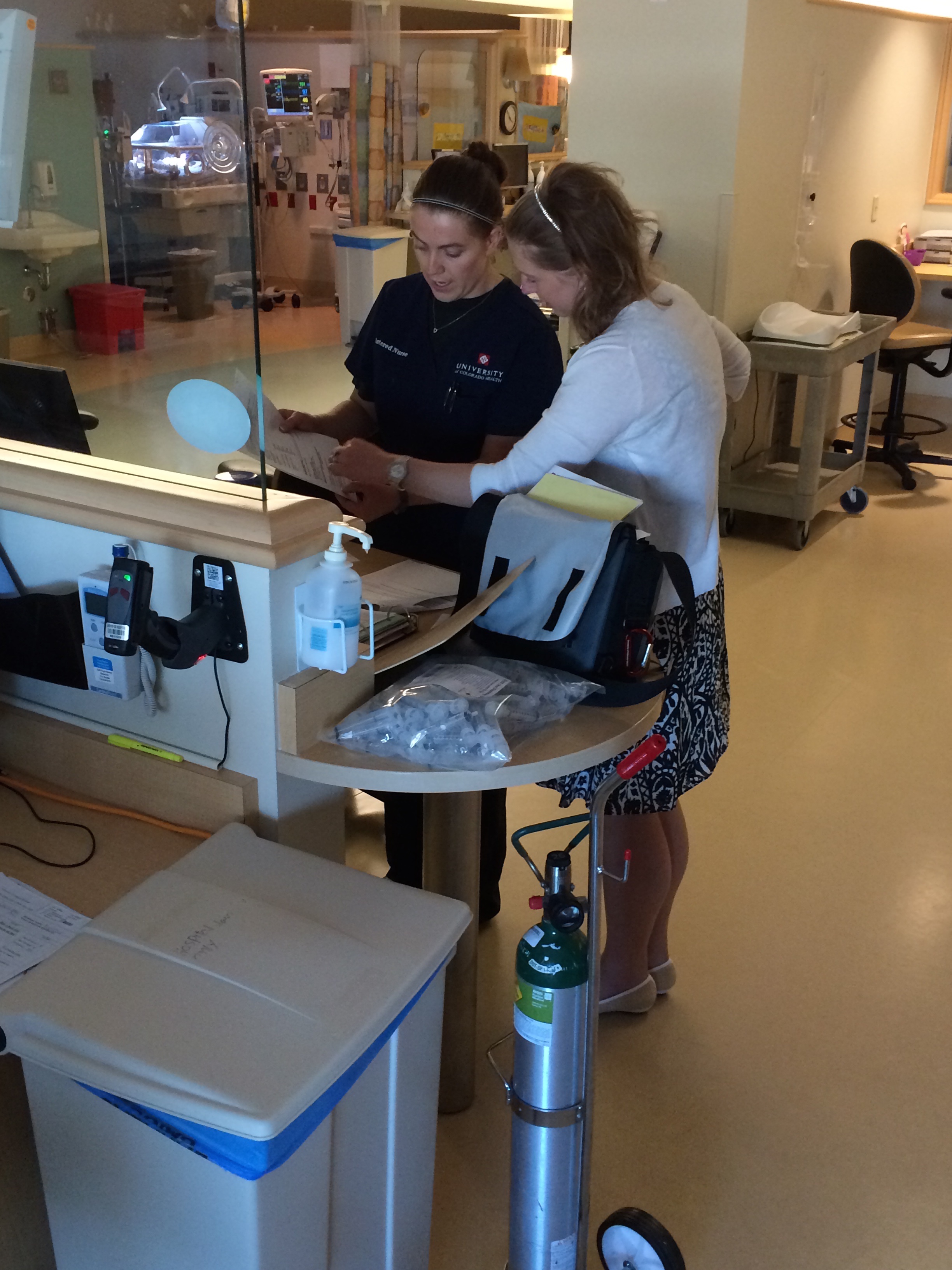
Megan and Kate going over some paperwork before we finish packing the room up and carry London out of there once and for all. There’s no way to explain just how nervous you feel about taking your daughter home from the hospital after she has been there for almost four months. You absolutely need to get everything right and you also need to know again and again what exactly needs to be done if there is a problem with something once you are home. In less than an hour there is not going to be a team of nurses and doctors on the other side of the curtain able to answer your every question.

IMG_2423

Moments after all three of us stepped outside the hospital, 109 days after we frantically arrived, thinking we’d spend just a few hours there.

IMG_4157

Home. The adventure begins anew.

World Prematurity Day

Right before falling asleep last night I was scanning Twitter and I learned that yesterday was World Prematurity Day. The March of Dimes Twitter account, which I follow, had shared images of city landmarks all across the world that were lit up purple, the color of support for preemies.

I don’t know how I missed this day, but today I read some articles about prematurity and found this one on NPR, the most interesting. Money quote:

Premature birth is now the single largest cause of death among babies and young children. Every year, 1.09 million children under age 5 die due to health complications that stem from being born before week 37 of pregnancy (a 40-week pregnancy is considered full-term).

I recommend reading  the whole article at NPR. It’s quite short. The editorial, titled “Preterm Birth: Now the Leading Cause of Child Death Worldwide,” mentioned in the NPR piece can be found here.

After reading the article and seeing the picture at the top of the NPR page, I am, again, so thankful for the treatment available to us here in Denver and that we were not traveling when London suddenly decided she wanted out.

Praise for Noradrenaline

A few nights ago London, who started sleeping through the night months ago, woke up at 2 am. Admittedly, I was a bit angry at first. Aren’t we over this part? The answer most nights is yes, but that did not make it any easier to get up and feed her.

After I put London back in her crib, turned the oxygen back on, put her nasal cannula in, and compulsively checked the flow of oxygen, I asked Kate, “How did we function that first month after London was born when we would both get up every three hours back when you were pumping breast milk?”

“We were in survival mode,” Kate answered.

I guess I hadn’t really thought of it that way. Survival mode is a term I think of in a similar way as I used to think about PTSD. I just thought it applied to different situations from ours, even though what we went through is the most intense situation of my life.

Survival mode is exactly what enabled us to carry on. It turns out, we owe Noradrenaline (norepinephrine) a big thanks.

Noradrenaline produces wide ranging effects on many areas of the body and is often referred to as a ‘fight or flight’ chemical, as it is responsible for the body’s reaction to stressful situations.

For a time we were able to survive on a few hours of uninterrupted sleep each night. If you asked me to do that right now, I would collapse midday.

Survival mode played a role in my curious ability during London’s NICU stay to forget about meals, mostly breakfast and lunch, if it was a particularly busy and stressful day at the hospital. Nowadays, I don’t forget about meals.

So, thanks noradrenaline for making the impossible possible. I will say, it would be nice to have higher concentrations of you around on those days I wish I could get by with just three hours of sleep, but I will forgive you for calming down and going away until I need you next.

To the Internet, Not So Fast

Back in 2007 I had a troubling sickness. It started with migraines, then it transitioned to the frightening Bell’s Palsy, and whatever I had did not stop there. I developed iritis (inflammation of the iris, which makes the whites of your eyes blood red and the photophobia can be unforgiving). I had partial hearing loss in one ear. Doctors ran me through a battery of tests. In a few months I had a CT, blood draws, many eye exams, an MRI with and without contrast, X-rays, and a flexibility test, where the doctor looked for signs of Ankylosing Spondylitis, a symptom of which can be stiffness and pain in the spine and neck.

The tests turned up nothing of concern, but the symptoms continued to give me plenty of reasons to worry. In between visits to the doctor I would sometimes have a lapse of judgment during which I logged onto the internet and did some self-diagnosing. What I found was terrifying. There was an encyclopedia of diseases and unheard of (to me) maladies that could, in theory, give me some of the symptoms I had. Brain tumors. Cancers. Crohn’s disease. Thinking about it all scared me. The doctors, I knew, were doing their best to give me an answer. For a time, I thought that their lack of explanation was a bad sign. When I was firmly convinced of this I went to the internet. Ultimately, what I found led to prolonged worry and who knows, maybe some of the symptoms would have gone away sooner if I was not giving them their unwarranted attention.

By 2008, all of my aches, pains, and inflammation were gone. Most likely a virus had attacked me and, my body, with some hiccups along the way, crushed it. However, if any of the symptoms had returned in the seven years since I would not have consulted the internet. I would have gone to a doctor.

To have this lesson in my back pocket heading into London’s bumpy start to life was an unexpected blessing. London’s actual and possible complications from prematurity were a tsunami of information compared to my sickness years ago. The first wave of preemie particulars and statistics hit even before London was born. While I was waiting outside the operating room a doctor came by and ran down a random list of possible complications. She told me 26-weekers have an 85% survival rate. This brief conversation introducing me to the challenges preemies face was similar to seeing the tip of an iceberg above water. The other 90% was below the surface, or in our case, through the OR’s double doors and on into the NICU. To borrow from The Lord of the Rings, it was “the deep breath before the plunge.”

*          *          *

Upon your family’s arrival in the NICU, you might feel like you’re drowning. There are more people taking care of your baby than you can keep track of. There is a new procedure every day. Thus, there are results every day, results that must be explained to you, sometimes three or four times. In addition to that, there are a lot of unknowns and, regardless of how talented the NICU staff may be, no one can accurately foresee the obstacles ahead for your baby. The internet is not going to be any different. There, you will find many question marks and new and more dangerous preemie complications to worry about, even if your baby is not suffering from them.

As parents with a baby in the NICU, Kate and I felt like there needed to be a sacred part of the day, during which we would try to not worry about the next results from London’s latest blood draw or echocardiogram. Of course, to not worry is impossible. It is more accurate to say we carved out time in each day during which we would purposefully not heighten our worry. This time became essential to getting us through every month our daughter was in the NICU.

Seeking information or support online seemed to only disrupt any sense of peace and hope we had regarding London’s course of treatment. If it was information we sought, then it was to go down the rabbit hole again, entering a world where one complication, like a brain hemorrhage, could lead to hydrocephalus and, almost certainly, cognitive disabilities. At least, that is what the internet would like you to believe at times. And if it was support we queried, we discovered far more troubling accounts than our own, which led to more worry.

Very early on in our NICU adventure we discovered the very poor predictive quality of the internet. Thus, the net never became a source of information for us. We much preferred getting answers straight from the trained professionals who were taking care of our daughter.

I have used the internet for queries about preemies many more times since starting this blog than I did while my daughter was in the NICU. When I am using the internet to find a definition of a certain malady, it can be helpful and I am grateful for that, but the internet will remain a horrible diagnostician and a font of worry for parents with a baby in the NICU.

Have A Preemie, It’s Such A Deal

I am here to be honest with you. Having a preemie is such a deal both in cost and effort. Think of all the deals you have come across in your life. Think of the deals you expect to encounter in the future. Let your imagination run wild. I really doubt the deal you have in mind will come even close to being as good a deal as I am about to share with you.

1. Delivery is really fast. You don’t even have time to anticipate it. One night, you’ll be at home watching TV (in our case, I was trying to watch the latest episode of True Detective on HBO), and you will be truly concerned about everyday tasks, leaning over to your spouse and saying, “Oh gosh, we still have to clean the kitchen.” Then the pain will come. You’ll make a smart decision to go to the hospital to get some drugs or something and be sent home. So, still, having a baby won’t even be on your radar. But then the water breaks and well, you know something is going to happen. You’re not quite sure what. And then a few hours later you have a kid. Very little pain. Lots of drugs. A lot of very nice people working to help you deliver this baby as quickly and as painlessly as possible. And it is. The scar will heal up very nicely.

2. No third trimester. “Wow, killer deal!” You might say. Well, you are spot on. From what I hear, that third trimester is just a pain in the ass, or more like the lower back. Fatigue? Ha, you won’t even get to the worst of it. Frequent urination? You’re safe. A two pound baby does not make you urinate more. Heartburn? Okay, you might still get this if you have a preemie, but it’s not what you think. It’s just because you had tacos with the hot salsa on them, not because you are growing a human being. Swelling? Nope. You’ll be able to wear your wedding ring right up to delivery. Weight gain? Are you freaking kidding me? As soon as you develop the slightest baby bump you’ll be hours away from delivery, saved from the expand-a-pants, saved from the waddle, the stretch marks, and the need to have a whole different wardrobe for that third trimester.

3. Best babysitting in the world. As soon as your baby arrives, NICU nurses, will be with your baby 24/7 until the baby leaves the NICU. The earlier the baby, the more days you’ll get this amazing babysitting at a relatively low cost. You can still go out for dinner. You can go home to sleep. In addition to the nurses there are many other professionals checking in on your baby, making sure she is comfortable and developing as expected. You might be a little stressed about leaving your baby in the NICU at first, but, oddly, you get used to it. You still need to enjoy your free time before you have a baby at home. You weren’t expecting to have a baby this soon. You had three more months. Take them. The NICU team has you covered.

4. The lighter your baby the better. Truly, if you have a really small baby, you just qualified for all sorts of assistance regardless of your income. You will learn about supplemental security income. You’ll get a check from the Feds once a month that has to be used on baby things. Easy enough. And then for some reason you’ll get a little bonus check when your baby leaves the hospital. Sort of like the Feds just saying, “Hey, congratulations! And thanks for paying all your taxes all those years. This is how we roll. We actually do some good stuff with the money you give us. Here’s some back.” Then, if you’re lucky enough to live in Colorado, your little, teeny, tiny baby qualifies for at home physical therapy and occupational therapy visits. Three times a month, they come to you, assess your baby, tell you what the baby needs to do better, tell you where the baby might be a little ahead, and, this is all at no extra cost to you. This time it is like the state saying, “Thanks for paying your taxes. You struck gold with this little girl and now we are going to pay people to help you with her development.”

5. People give in emergencies. The more traumatic the experience, the more people you will hear from, the more flowers you will receive, the more food will show up at your doorstep, the more aid in your mailbox, the more touching notes you will receive from people you’ve met once or have never met before, the more baby clothes you will receive, and the more diaper cakes you’ll be gifted. People will feel for you. They’ll fork over some really excellent gifts and meals. Truly, what a steal.

6. Having a preemie could very well be cheaper than having a full-term baby. When you have a preemie, she needs a place to stay. These places are called neonatal intensive care units or NICUs. A night at our NICU costs as much as the Peninsula Suite at the Peninsula, Chicago, or almost $9,000 a night. Multiplied by 109. No one is going to stick you with that bill. Trust me. In fact, when your bill arrives you could end up paying less than 1% of your total stay. I mean, if you have very solid insurance, you might just pay .007% of your total hospital bill. Double-O-Seven.

7. After hours visiting at the hospital. You know, typically when you show up at our hospital after 8 you have to sign in and say who you are going to visit. They give you a sticker that you immediately throw in the trash. What a waste. It’s a real hassle. You don’t want to stop and talk with anyone, you’re going to see your baby for crying out loud. Worry not. You’ll live at the hospital. After you’re stopped once or twice, you’ll just look over at the security desk when you next enter the hospital after hours and you’ll get in with the head nod you always see guys giving each other.

8. You get to write about it and people will read. And maybe, after you’ve gone through all this and cried a thousand times for your child’s life and watched her vital signs plummet to numbers that you just associate with death, you’ll be able to find some humor in the whole experience and put a spin on it like I just did.

Double Takes and Long Stares

IMG_2422

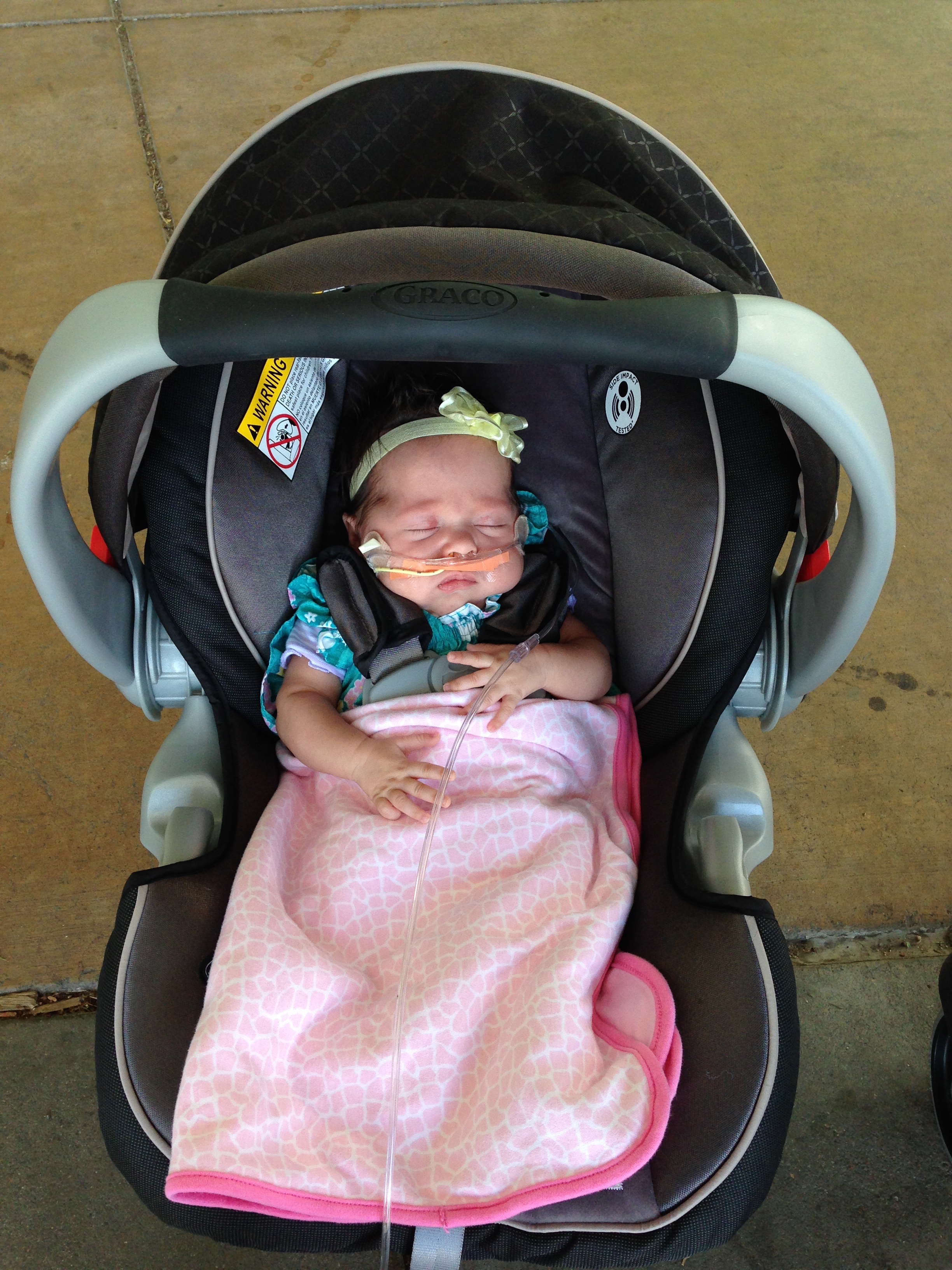
On the day we left the NICU for good.

The day after London came home from the NICU we took her on a brief outing, a trip to Target. We were both quite scared. I had hand sanitizer in my pocket, in the diaper bag, and probably in the stroller. As most new parents move about, we were slow, paranoid about every baby carrying tool properly snapping into place, and just a little hesitant about our ability to accomplish an errand with London in tow.

I was scared most by the threat of germs. For over 100 days every single person who came to see London had washed their hands twice, even if they weren’t necessarily touching her. Taking her into a Target, where a nutter could potentially walk up to London and touch her foot freaked me out. Even the idea of her breathing the air in a Target sort of worried me. I know, that’s ridiculous, but that’s the stuff we thought about back then and we prepared for it.

What I did not prepare myself for were the looks we were going to get from people who glanced at our baby. To put it more accurately, the looks our baby would get, the long stares and the double and triple takes. When you take a baby out in public people are inclined to look at him or her. What they do not really expect to see are tender grip cheek stickers holding a nasal cannula in place and an NG tube, held down by an orange strip of tape and wrinkly patches of tegaderm, snaking its way across the baby’s face.

I can still see the first person inside Target who saw all that on London’s face. A nice looking man who was clearly caught off guard by all those sticky accessories. He did a double take and by his second look at London I could see it in his face, he did not have a clue what any of that stuff was. He could very well have thought London’s situation was more serious than it really was. A part of me wanted to stop everything and explain to him what every little tube and piece of tape was doing and that London was a very strong little girl who had been through more scary days than many people my age have endured.

But I could not take the time to tell that man about all that stuff and all those scary days. It would feel like we were back in the NICU explaining to visitors what all the machines around London were doing and why she needed them. It would be an exhaustive way to transition into a life at home with London. So, I just nodded and smiled at the man and kept on walking, his inquisitive stare following us around the store. I had then such an instantaneous and deep appreciation for parents whose kids will never shed their special medical tools and/or physical and mental challenges. We were, for the moment, living that.

But after 109 days in the NICU, I also knew that we had an insanely determined little baby on our hands and, with time, people were going to lean over the stroller and see nothing that might hint at this little girl’s history, enough to fill a book, and that is what has brought a smile to my face every double take since.

Do you remember the show Rescue 911?

IMG_4109

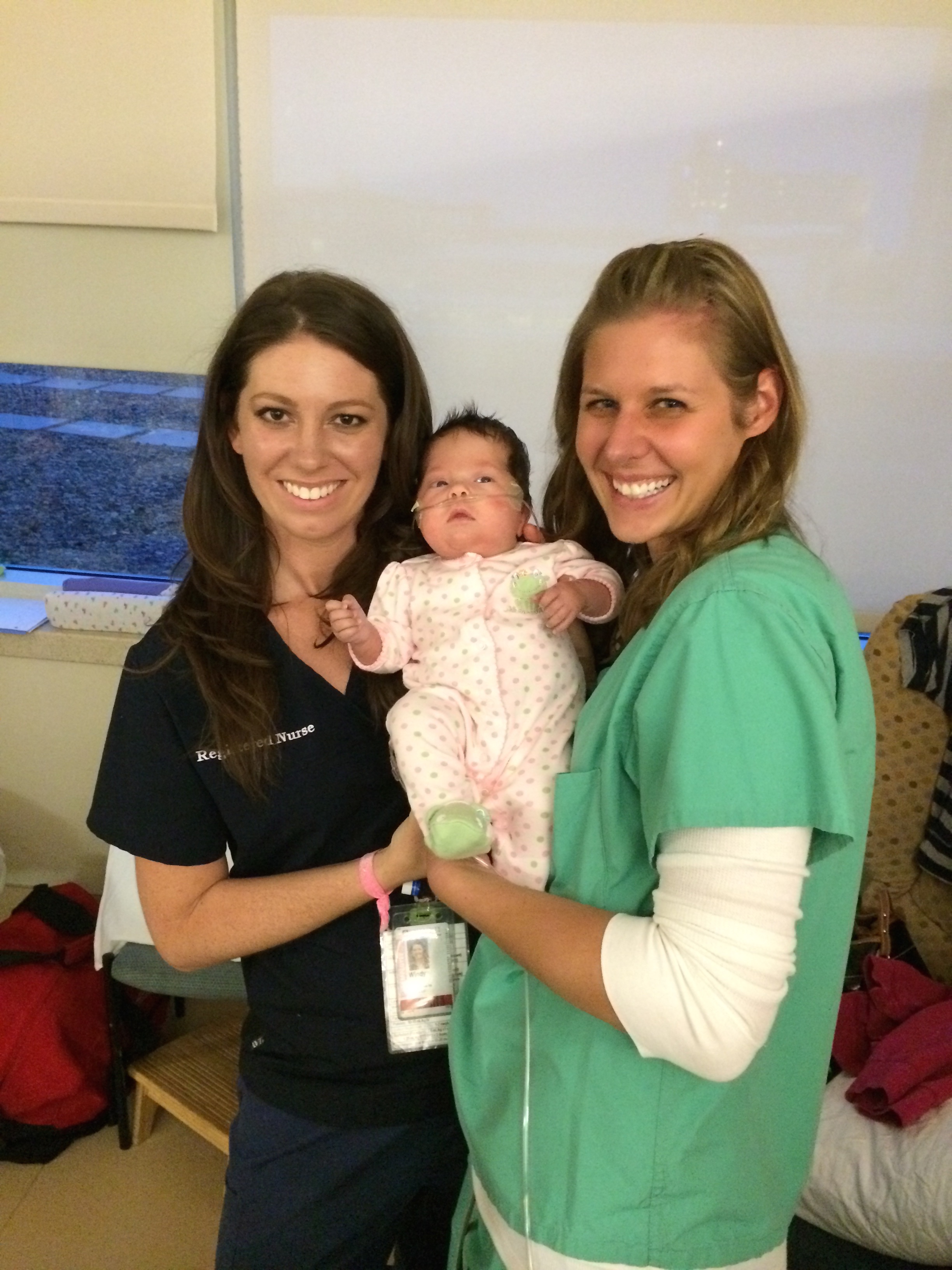
Windy and Rachel on their last night shift with London before she leaves the NICU.

When I was much younger I watched the show Rescue 911. Hosted by William Shatner, the show reenacted real-life emergencies and spliced in interviews from people who were present when the aforementioned emergencies occurred. At the end of the reenactments, the rescuers who saved the individual/s in need of help, were reunited with the people they saved.

The reenactments are so bad they are painful to watch. It was easy to find some old episodes of the show on YouTube. There is even a story about a baby being born “nearly three months early” while on a flight. He weighed in at 4 lbs, 6 oz. (I have to interject here, if the baby was really almost three months early, that’s a huge kid for that gestational age). Here’s the link to the story about the premature birth on the flight. As you might guess, the reenactment is hilariously bad.

What got me thinking about Rescue 911 was seeing some of London’s nurses the other week. I got home and two of her primaries were visiting Kate and London, eating pizza Kate made, and sipping wine. I got a chance to visit with the nurses a little bit before they left and during that time I thought of the reunions at the end of Rescue 911. I always enjoyed these scenes, loving the idea of being able to see and possibly become friends with the people responsible for saving my life or, in this case, my daughter’s life. And now, that was happening right there in my kitchen.

I would never wish what Kate and I went through with London upon anyone. But if it is to happen, this is the happiest ending one could possibly hope for. We were incredibly blessed to have such caring NICU nurses. And now those nurses have become friends. I hope that as long as we are in Denver and as long as they are working nearby, the reunions continue because, for us, they are heroines.

PTSD from the NICU

IMG_3083

Another day down, but one last peek at London before we leave for the night.

When someone first suggested that I am suffering from Post-Traumatic Stress Disorder (PTSD) I stifled my disagreement and listened, doubtfully, to their explanation. A few minutes later, when they were done speaking, I was nearly in agreement with them.

Prior to this conversation, having PTSD was not something I thought I could get. Naively, I associated PTSD with war veterans and not many other people. But this is so wrong. The National Institute of Mental Health (NIMH) defines PTSD this way:

When in danger, it’s natural to feel afraid. This fear triggers many split-second changes in the body to prepare to defend against the danger or to avoid it. This “fight-or-flight” response is a healthy reaction meant to protect a person from harm. But in post-traumatic stress disorder (PTSD), this reaction is changed or damaged. People who have PTSD may feel stressed or frightened even when they’re no longer in danger.

PTSD develops after a terrifying ordeal that involved physical harm or the threat of physical harm. The person who develops PTSD may have been the one who was harmed, the harm may have happened to a loved one, or the person may have witnessed a harmful event that happened to loved ones or strangers.

Kate and I were afraid for months while London was in the NICU. We did not always realize it, but we were preparing ourselves for the worst outcomes in the NICU in an attempt to defend against them. Now that London is out, far removed from those most terrifying days, we still occasionally feel frightened and on edge. I first noticed a change when I was performing simple tasks, like preparing some milk for London. On a few occasions I spilled some of that milk and instantly my temper flared. And if anyone was around, I was mean to them. When I am like this I do not want to be near anyone. I was not crying over spilled milk. I was inconsolable over spilled milk. I was not sad. I was irate that something did not go my way. Everything sucked. I consider myself to be a patient person, so this new feeling of anger over something so unimportant was troubling. In fact, that realization made everything worse, bringing a snowball effect to my PTSD.

In addition to losing my temper, I can be anywhere doing anything and if I slip up and think about the scariest moments in the NICU or in the OR the night of London’s birth I am fighting back tears. These are not voluntary recalls. I do not want to think about the scary moments, but the trauma of London’s start is prolonged and fresh in my mind. To think back is to invite some of those moments into the present and once you do that it is hard to stop the flow.

The NIMH definition of PTSD continues:

PTSD was first brought to public attention in relation to war veterans, but it can result from a variety of traumatic incidents, such as mugging, rape, torture, being kidnapped or held captive, child abuse, car accidents, train wrecks, plane crashes, bombings, or natural disasters such as floods or earthquakes.

Or as someone recently put it, “You were not just in a single life-threatening accident with London. You were in one week after week after week and the person most precious to you in this world was the one always at the greatest risk.”

Truer words have not been shared with me. Having a baby at 26 weeks is exactly like that. Every time we drove to the hospital we braced ourselves for the accident. For a while, we got bad news every day. Sometimes it was just a trickle. And on the worst days it was a flood.

Even when the bad news did not come, we still braced for it. Do that day after day for 109 days and PTSD becomes a near certainty. For almost four months Kate and I did not just daydream about worst-case scenarios. On top of the worries every parent has concerning their newborn baby, we had to have real, hard discussions about our variety of worries stemming solely from London’s delicate start to life. At the end of most of these discussions one or both of us were crying and holding onto each other.

Until your child comes home from the NICU you live at a heightened state of anxiety. It becomes your new normal and when you plateau for that long coming down can do some really weird things to you. We are still adjusting.

The Fastest Year of My Life

_BKP1884

Taking in the sunrise from our room in Mexico.

Last year, Kate and I were in Playa del Carmen for a wedding during the first weekend in November. I was thinking of this trip just last week and I momentarily refused to believe it had almost been a year since Kate and I strolled along on the beach during a midday thunderstorm. That walk and the rest of that trip are so vivid and crisp in my mind, we could have been there last month. How could those memories be a year old?

Less than two weeks after we returned from Mexico we went under contract on our first home. The next 12 days I was busy with the purchase of the home and making sure we could move out of our apartment before the lease ended. Then we were off to Wyoming for Thanksgiving. Then we drove back. A few days later we flew to Orlando for a week. Then it was a week of last minute Christmas gatherings and preparations before we traveled to New Mexico. There for nearly a week, we drove back and closed on our house that Monday, December 30th. I started painting throughout the house that afternoon. We moved furniture on January 7th. The house was a mess and there was still more painting left to do. We then had a relatively calm three weeks (as calm and restful as settling into your first house can be).

Then the night of January 29th arrived and Kate had painful contractions at 26 weeks. The next significant date in my head is May 19th, the day London came home. And then a summer spent on edge as London slowly strengthened and we traveled to weddings. And then fall arrived. And now we’re almost back where we started.

From January 29th to May 19th, it did not matter what day of the week it was. It did not matter the month, the holiday, the weather, the time. It only mattered that London was doing okay and getting better. These days are curiously recalled in my mind. There is so much held within the borders of them that it will take years to process just how much we changed during that time and how it affected us. Yet, at times, those days seem like one really long fast day. And then it was summer and our girl was home. I recall pausing during my walk out of the hospital one day in April to take in the weather. “My God, it’s spring,” I mumbled to myself. Where had winter gone? I was actually dumbfounded. I can easily remember the cold night we arrived. That was the last day I cared about the weather.

Living on edge makes life go by very quickly. That is one thing I have learned in the last year.

IMG_4209

May 23, 2014. 4th day home.

London is home now. She is strong and happy beyond our wildest hopes and expectations. I do not call her a miracle baby because I never want “miracle” to be a term I casually use. But it is true. She is a miracle. And she is not the only miracle of the last year. It is a miracle all three of us made it through. At times it did not seem possible. It did not seem possible that time would slow. But it did. And I care about the weather once more.

If You’re Just Now Getting Here

I probably should have done this sooner, but if you’re just now finding this blog via a tweet, Facebook share, or web search, then you should know that it all started with a series of posts detailing London’s birth. These posts are the foundation of this blog and, for their author, the hardest to write and the hardest to reread.

Feel free to scroll down through the archives, but if you’re looking for square one, and for getting a better feeling of how this family got its start, follow the links below. A quick word about the original posts, there are thirteen of them, but they aren’t very long posts so reading all parts is not a big ask.

London’s Birth Part I. 

Part II.

Part III.

Part IV.

Part V.

Part VI.

Part VII.

Part VIII. 

Part IX.

Part X.

Part XI.

Part XII.

Part XIII.

The NICU Is A Fortress

IMG_3504

One of my favorites. Her 2-month birthday. “To infinity and beyond.”

As badly as I wanted London to leave the NICU I was also terrified of some of the things she would lose when we walked out of that hospital. 24/7 caretakers. A team of RNs, NPs, and MDs just feet away. The opportunity to talk to one of them whenever we wanted to and to ask the dumbest questions of.

As a parent, you do grow accustomed to having your baby in the hospital 24/7. It is comforting to know that your child has the best babysitters in the world.

While London was still in the hospital I wrote:

Right now I feel like taking her home will be bittersweet. I’ll be beside myself, in a good way, when we walk into our house holding London, but it’ll also be frightening to leave our NICU family.

Back then, the approaching discharge date meant exposing an already fragile baby to the terrors of this world like driving home with her! Or contact with the public, those creepy baby oglers who think they have the right to walk up and touch your child just because she is the cutest thing they have ever seen. Can’t stand these people! We would be responsible for a baby, yes, but also all the leashes that come with her: NG tube connected to a feeding pump, an oxygen cord, and a pulse ox connected to her foot. Monitoring all that could be overwhelming on top of normal baby duties.

But a baby has to leave the NICU eventually. We had our gambles and triumphs there in that pod, but the good stuff was to be found in life beyond those hospital walls. It is hard to think of leaving the NICU as anything but a tradeoff. An adventure was before us, filled with successes and failures, loss and gain, losses and victories. But behind us was London’s NICU pod, which, for her parents, became the safest place in the world.

Why London?

“So, I have to ask. Why the name London?”

This is a question we get a lot. I have always loved London’s name, but it took some time to figure out exactly why. The short answer we give goes something like this: “We both really love the name because it’s gender neutral. London, the city, holds a special place in our hearts and a couple years ago we first BKP_7211thought of naming one of our kids London.”

But the long answer, if you are willing to bear with me, is this:

London, the city in the United Kingdom, yeah, that London, is one of the sacred places in my life, which may sound ridiculous to you when I tell you I have only been there twice. However, as is sometimes the case, it is not really how many times we go to a certain city or country that matters, but what time in our life did we go to a certain city or country. For me, the time that mattered was when I was 22 years of age, in my last semester of undergraduate studies, during which I studied in London. This was my fifth year of college, but as I was an NCAA athlete for the first four years, studying abroad was not an option for a while.

When I arrived in London I was very young, educated (somewhat), and ignorant about quite a few things in this world. I wouldn’t say I was sheltered, but I was thirsty for knowledge and new experiences. I was ready for an adventure, malleable in a way, and ready to have some ideas and beliefs challenged during my time there.

I could not have arrived in London with a better mindset. I accepted an internship at a small publishing house on London’s south side. I preferred to traverse the city on foot when I could. I paid as little attention to my studies as I could and as much attention to the fast, diverse city whirling around me. I often explored alone, my classmates more interested in frequenting a neighborhood pub. I went to pubs too, but chose to go after work with my British co-workers. On one of these occasions, I turned 23 and celebrated the evening with my cool, new, and temporary officemates. The BKP_7344month after that Kate spent her spring break in London with me. She fell in love too, and I fell more in love with her as we explored London and a little of Paris, savoring the moments that I knew we would never be able to replicate because we were young, free, and unfettered from worries and responsibilities we had back home, across an ocean.

Four months of London and getaways to Scotland, Cambridge, Bath, Dover, Salisbury, Paris, and Israel behind me, I was facing a return trip back to Colorado. London had certainly challenged me. I had dramatically changed, but I did not know for years how much this time molded my thinking.

Kate and I went back there in 2012. We were in a position to go almost anywhere in the world, but the thought of reliving our London experience (this time with money!) tugged on our hearts with such strength that I quickly narrowed down the list of possible countries to visit, all of which were conveniently a little skip away from London. 2012 was another adventure in London, which, for the most part, hadn’t changed much in six years. But we had.

And we’ve changed a lot since. Big new job for Kate. I finished grad school. We bought a house. And our first child was on the way. We did not just name her after a city, but after an adventure, the most cherished one to date, knowing she would supplant it as soon as she arrived. She has, with a vengeance.